26

[ DAILY ] · BB–D–261126

26 November 2026

Thursday, 26 November 2026 / 6 stories

Art, interiors, photography, designers

01

Macy Grimshaw wins the H&M Design Award 2026 — London written into a corset.

Macy Grimshaw wins the H&M Design Award 2026 — London written into a corset.

Source: Dazed

Fashion and designers: Macy Grimshaw wins the H&M Design Award 2026 — London written into a corset

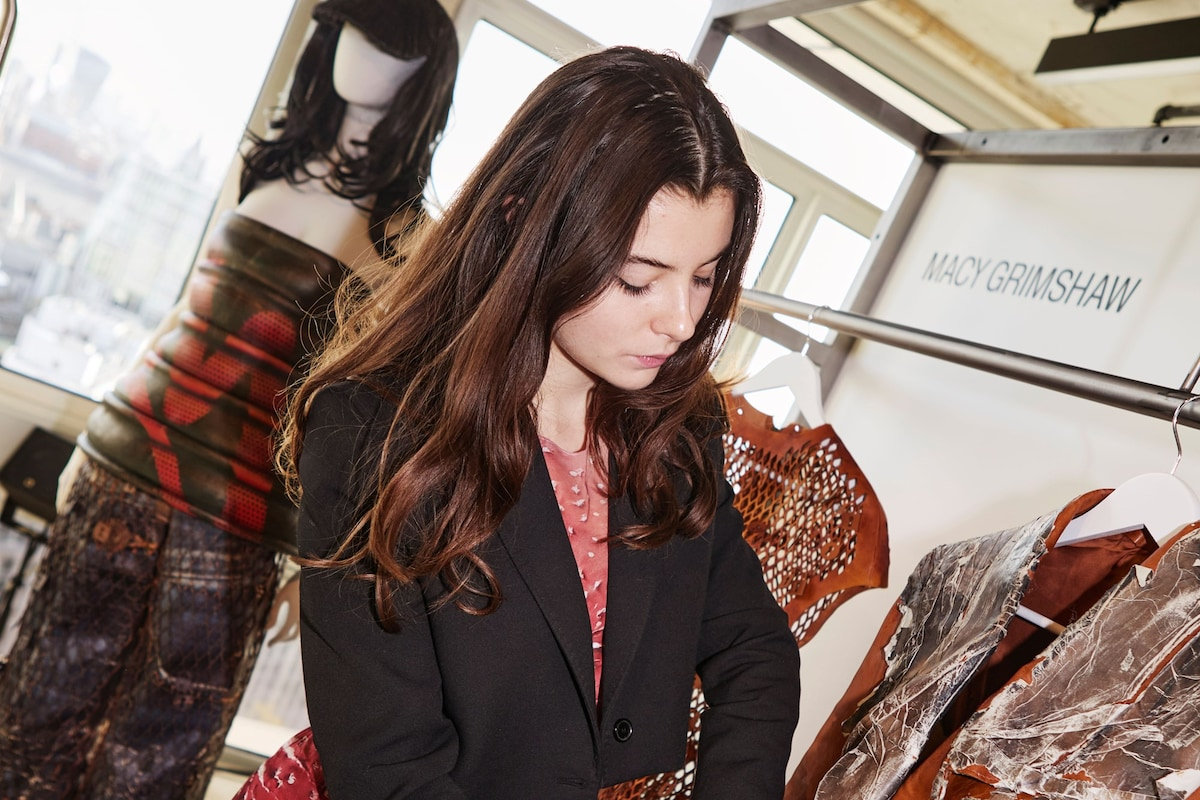
After a six-year hiatus the H&M Design Award is back, and its winner is the Franco-British womenswear designer Macy Grimshaw. The result was announced on 18 November — earlier the jury had narrowed the field to eight finalists from schools in Tokyo, London, Paris, Antwerp, Brussels and Florence. The prize is meant to lift undergraduate and master’s students in an industry regarded as unusually hard to enter.

The winning collection is titled “M” and is a record of the seven years Grimshaw spent in London: each silhouette refers to a photograph she took or to a specific experience. There is a nipped corset constructed like a roller blind, a woven dress “graffiti-painted” with family names, and hand-cut leather made to look like pencil-sharpener shavings.

The designer receives 150,000 euros and a year of mentoring covering, among other things, production, marketing and sustainability; her collection will be produced and go on sale at H&M in autumn 2027. The jury included Paloma Elsesser, Beka Gvishiani, IB Kamara and Luke Leitch, and the remaining finalists will each receive 10,000 euros.
02

Jeff Bark’s “Drunk Dad” — a Lynchian America in a garage theatre.

Jeff Bark’s “Drunk Dad” — a Lynchian America in a garage theatre.

Source: Wallpaper*

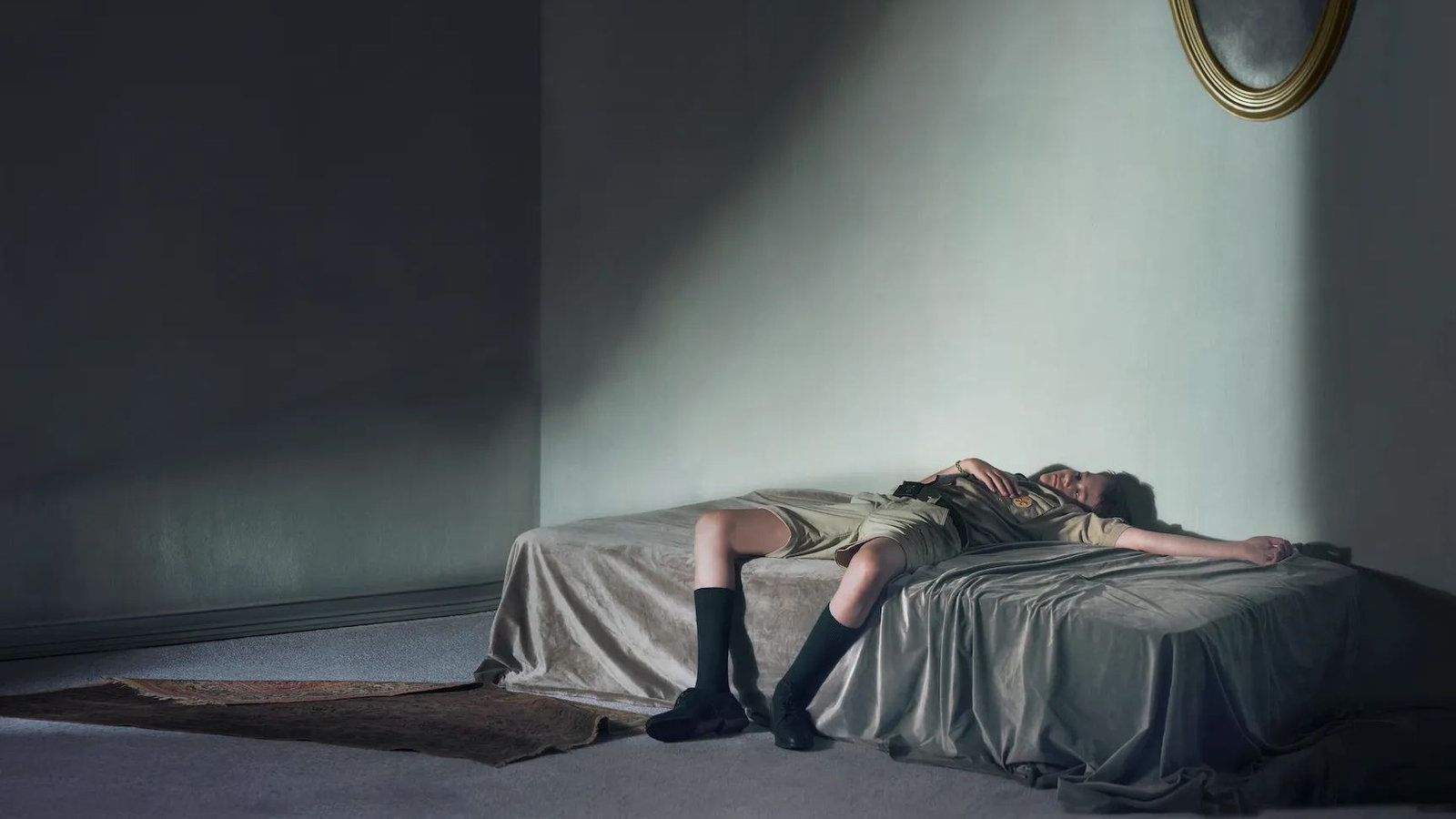
Photography: Jeff Bark’s “Drunk Dad” — a Lynchian America in a garage theatre

“I was 18 that summer when my dad drowned” — so Jeff Bark opens “Drunk Dad”, his first monograph, published by Lannoo. It is an autobiographical account of growing up with an alcoholic father — charming to everyone except his own family — and of masculinity and the lining of the American dream.

Bark photographed his childhood in the family country of northern Minnesota, and in the backyard garage he built a Lynchian set filled with flea-market odds and ends. The light gives the frames a painterly, slightly ominous mood. Addiction is never stated outright: the author rarely shows anyone drunk, and in the book — as people have pointed out to him — what you mainly see is the father’s absence.

Experience in advertising allows Bark to make even the heaviest subject seductively beautiful. “Addiction can be spectacular and funny, until it isn’t,” he says. Today, he stresses, he has broken that pattern in his relationship with his own children, and he treats the book as sharing, healing and love.

03

Johnnie Shand Kydd — from the YBAs to the Suffolk marshes.

Johnnie Shand Kydd — from the YBAs to the Suffolk marshes.

Source: AnOther

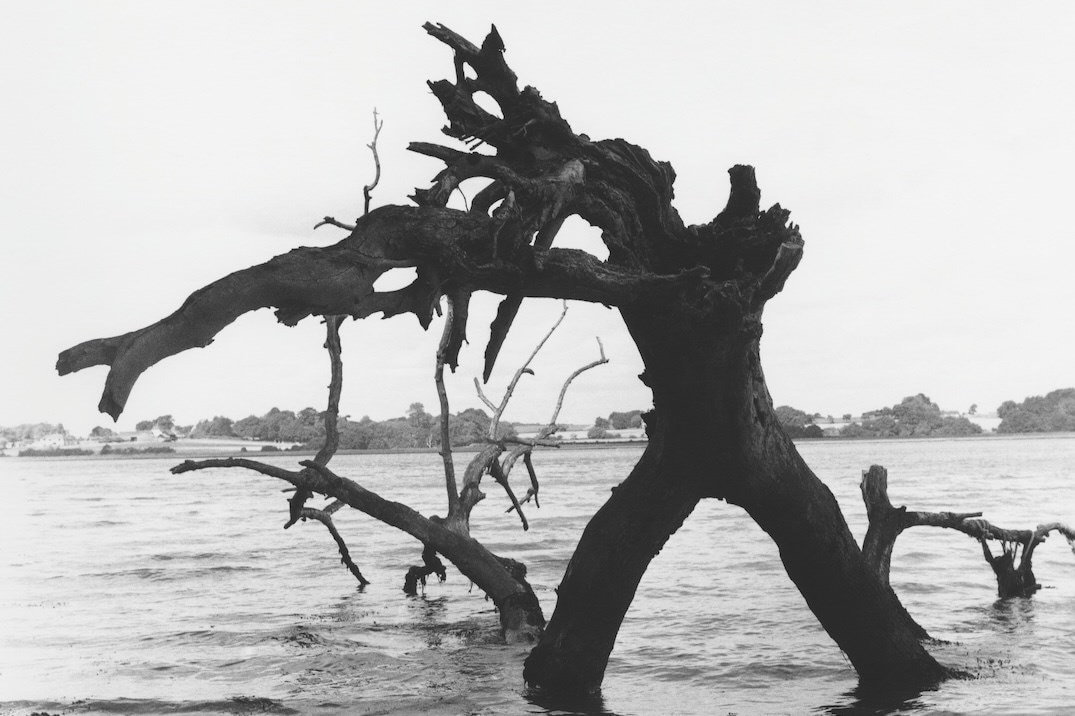
Photography: Johnnie Shand Kydd — from the YBAs to the Suffolk marshes

Johnnie Shand Kydd began by documenting the hedonistic rise of the Young British Artists — Emin, Hirst and the rest. His new book “Ramsholt” instead looks for “magic and beauty in absolute banality”: the muddy flats, reed beds and twisted trees around a small village on the Suffolk coast, where his mother moved 40 years ago.

Every picture was made within the same 50-minute walk the photographer took daily with his old lurcher, Finn, using a Rolleiflex and a 5×4 large-format camera. The black-and-white frames are raw, lyrical and haunted: misty marshes, ploughed fields, reeds reflected in still water, and stubble that looks like a stunned company of soldiers. Shand Kydd compares the sequencing to “writing music”.

Alongside the images runs his own text, weaving the history of Ramsholt with family threads — it was in the River Deben that his brother Adam’s ashes were scattered. Much of what he photographed has already disappeared. “Things can go in an instant and you never get them back,” he says.

04

The visitors’ voice: Public Lions for Nick Cave and the India pavilion.

The visitors’ voice: Public Lions for Nick Cave and the India pavilion.

Source: designboom

Contemporary art: The visitors’ voice: Public Lions for Nick Cave and the India pavilion

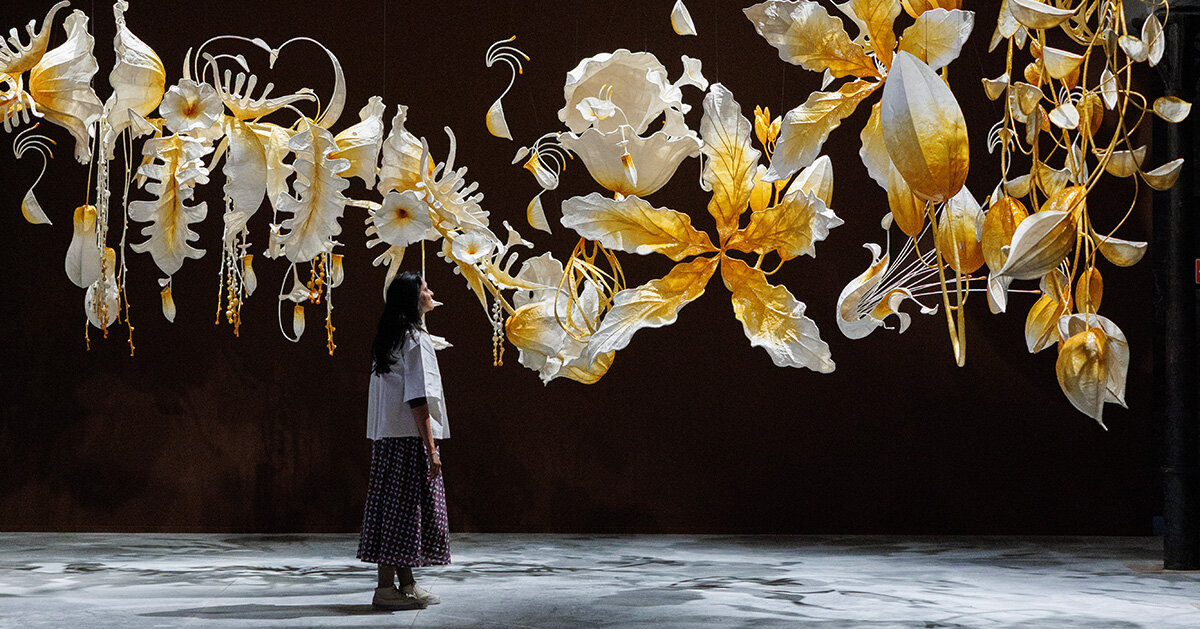
At the 61st Venice Art Biennale the last word belonged to the visitors. After the international jury stepped down, the institution introduced two Public Lions, and on 25 November it announced the results: the prize for the best participant in the main exhibition “In Minor Keys”, organised by the late curator Koyo Kouoh, went to the American artist Nick Cave, and the best national representation was judged to be the India pavilion.

Born in Chicago in 1959, Cave works with sculpture, performance, textile and installation, examining identity, material culture, race and the possibilities of transformation. His richly material compositions join a performative gesture, creating spaces in which body, movement and collective experience meet.

The Indian exhibition “Geographies of Distance: Remembering Home” at the Arsenale brought together five artists: Alwar Balasubramaniam, Sumakshi Singh, Ranjani Shettar, Asim Waqif and Skarma Sonam Tashi. The pavilion was commissioned by the National Gallery of Modern Art and curated by Amin Jaffer; the show, organised around the idea of home, asks questions about distance and belonging.

05

Maison Guiette — the Le Corbusier house where Ann Demeulemeester lived.

Maison Guiette — the Le Corbusier house where Ann Demeulemeester lived.

Source: Wallpaper*

Interiors and design: Maison Guiette — the Le Corbusier house where Ann Demeulemeester lived

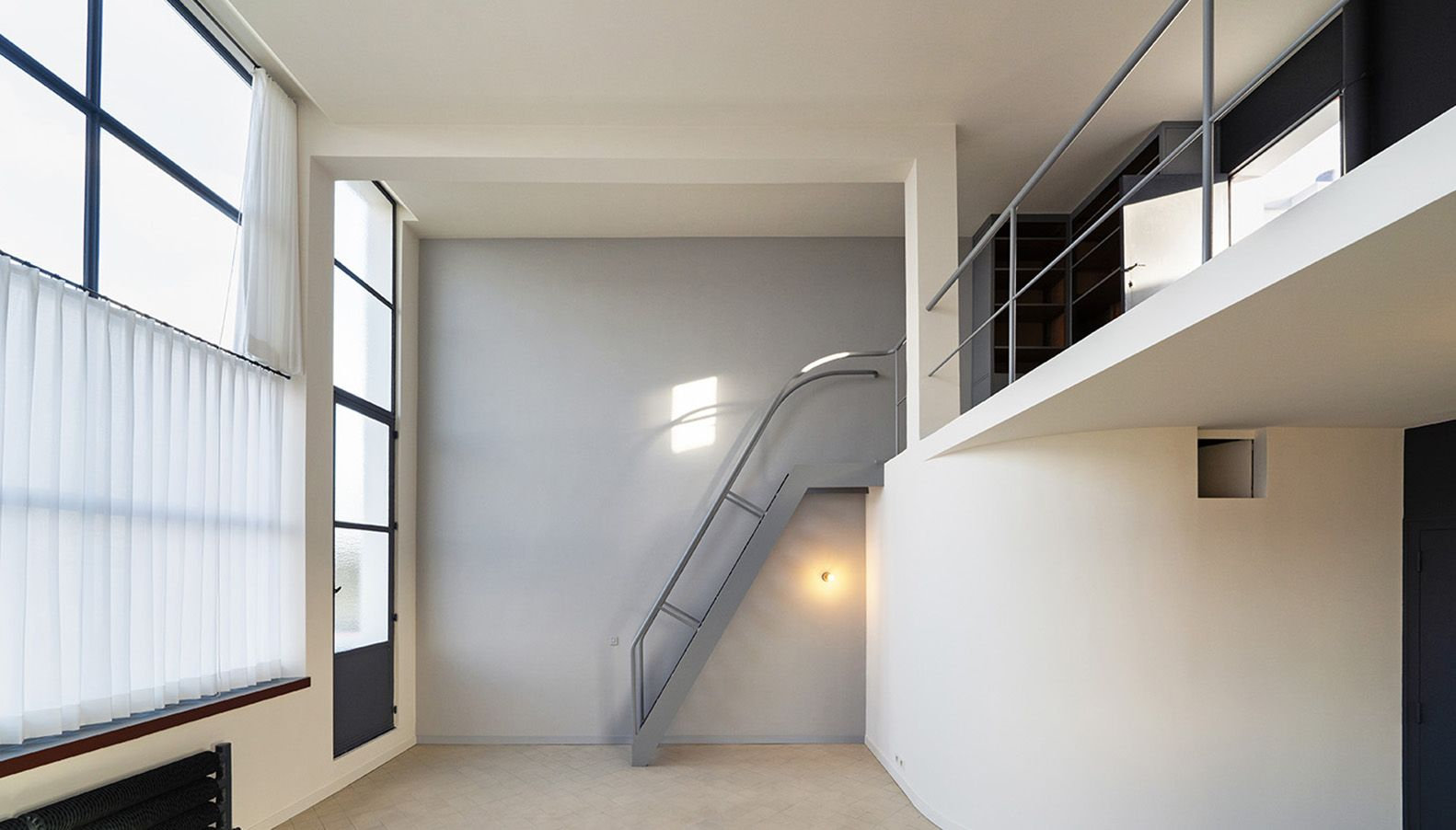
Maison Guiette was Le Corbusier’s first commission outside France and is his only surviving building in Belgium. Designed in 1926 with Pierre Jeanneret for the painter René Guiette, the house is only 95 m², with a double-height studio and large windows occupying the upper floor. It has been on the UNESCO list since 2016. For its centenary a book has appeared that opens its interiors more widely than ever before.

In 1981 the photographer Patrick Robyn, partner of Antwerp Six designer Ann Demeulemeester, spotted the black, slate-clad building and rang the doorbell. They bought it in 1983 as a “beautiful ruin”: they lived with almost no furniture, windows taped up and buckets set out for the rain. After an 1980s renovation they restored Le Corbusier’s original colours with the help of Swiss paint maker Katrin Trautwein; the most recent restoration was completed in 2024.

Today their son Victor lives there — a graphic designer and photographer who designed the publication, filled with archives, drawings and Guiette’s correspondence with Le Corbusier. His favourite place? The top-floor studio, still used as it was a hundred years ago.

06

“Brutalist-folk” — wax chairs and a carpet with cattle ear tags.

“Brutalist-folk” — wax chairs and a carpet with cattle ear tags.

Source: Dezeen

Emerging visual trends: “Brutalist-folk” — wax chairs and a carpet with cattle ear tags

Jabez Bartlett, a London set designer who caused a stir at Milan Design Week in April with an inflatable PVC side table topped in iridescent resin, is showing a debut furniture collection. The exhibition “The Freight Proportioned to the Groove” — the title is the last line of an Emily Dickinson poem — runs from 26 to 29 November at Tuscany Wharf in Hackney.

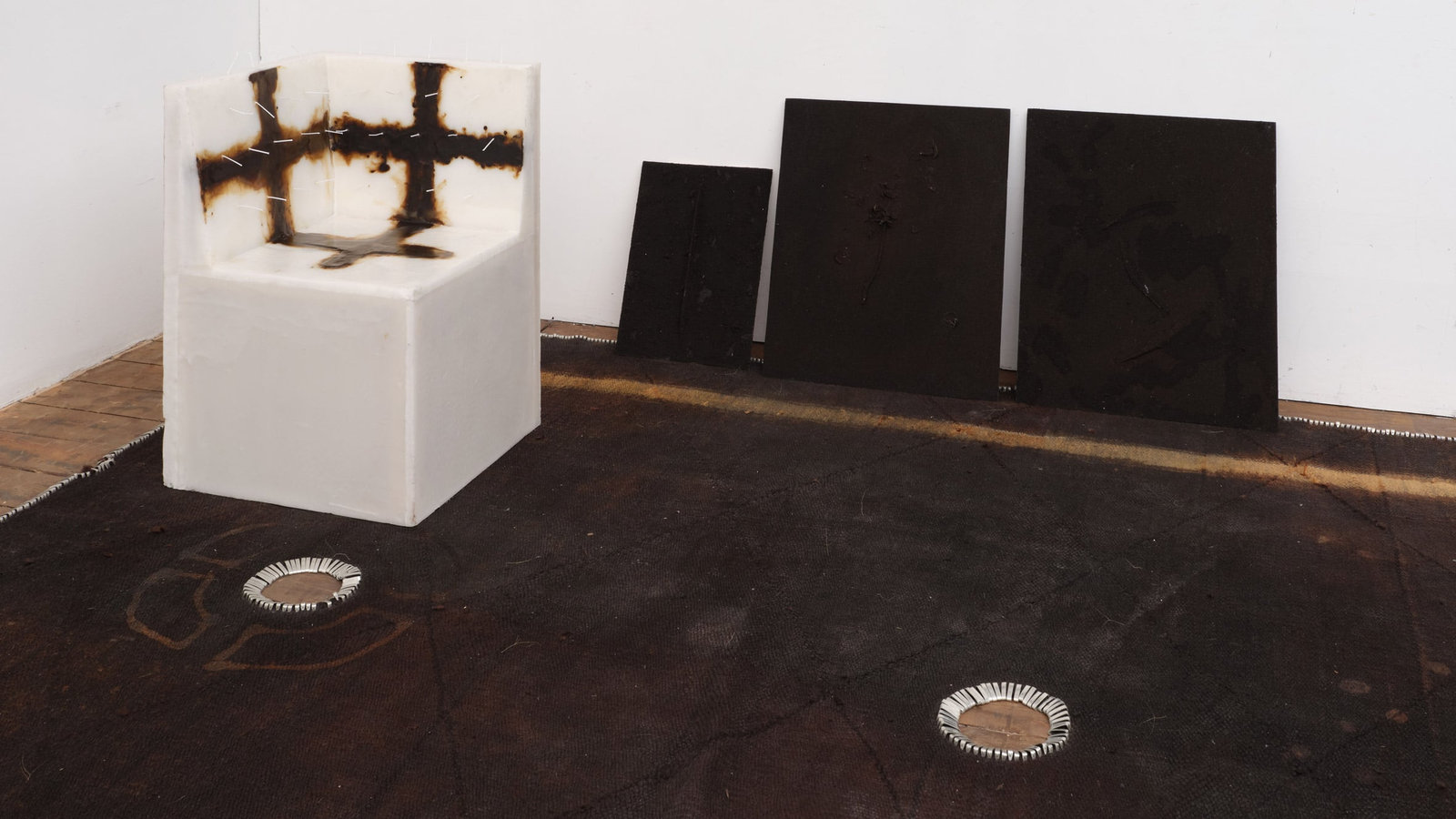
Bartlett brings into the physical world materials he knows from film sets. A triptych of marbled chairs was cast from a blend of microcrystalline wax and petroleum wax in plywood frames — “giant candles” with wicks, inspired by a Japanese games table with a lattice top. Lamps are sheathed in stretch latex, and a diamond-patterned carpet, over-dyed and bleached, is edged with metal cattle ear tags.

There is also a monolithic cast-acrylic mirror and a black column bristling with spikes. “I wanted to make brutalist-folk furniture and now I feel I’ve done it,” says the Devon-born designer. Industrial matter meets memory, illusion and an old, primal landscape here.