24

[ DAILY ] · BB–D–261124

24 November 2026

Tuesday, 24 November 2026 / 6 stories

Art, interiors, photography, designers

01

The coat is the whole outfit. Karin Gustafsson on COS’s winter collection.

The coat is the whole outfit. Karin Gustafsson on COS’s winter collection.

Source: i-D

Fashion and designers: The coat is the whole outfit. Karin Gustafsson on COS’s winter collection

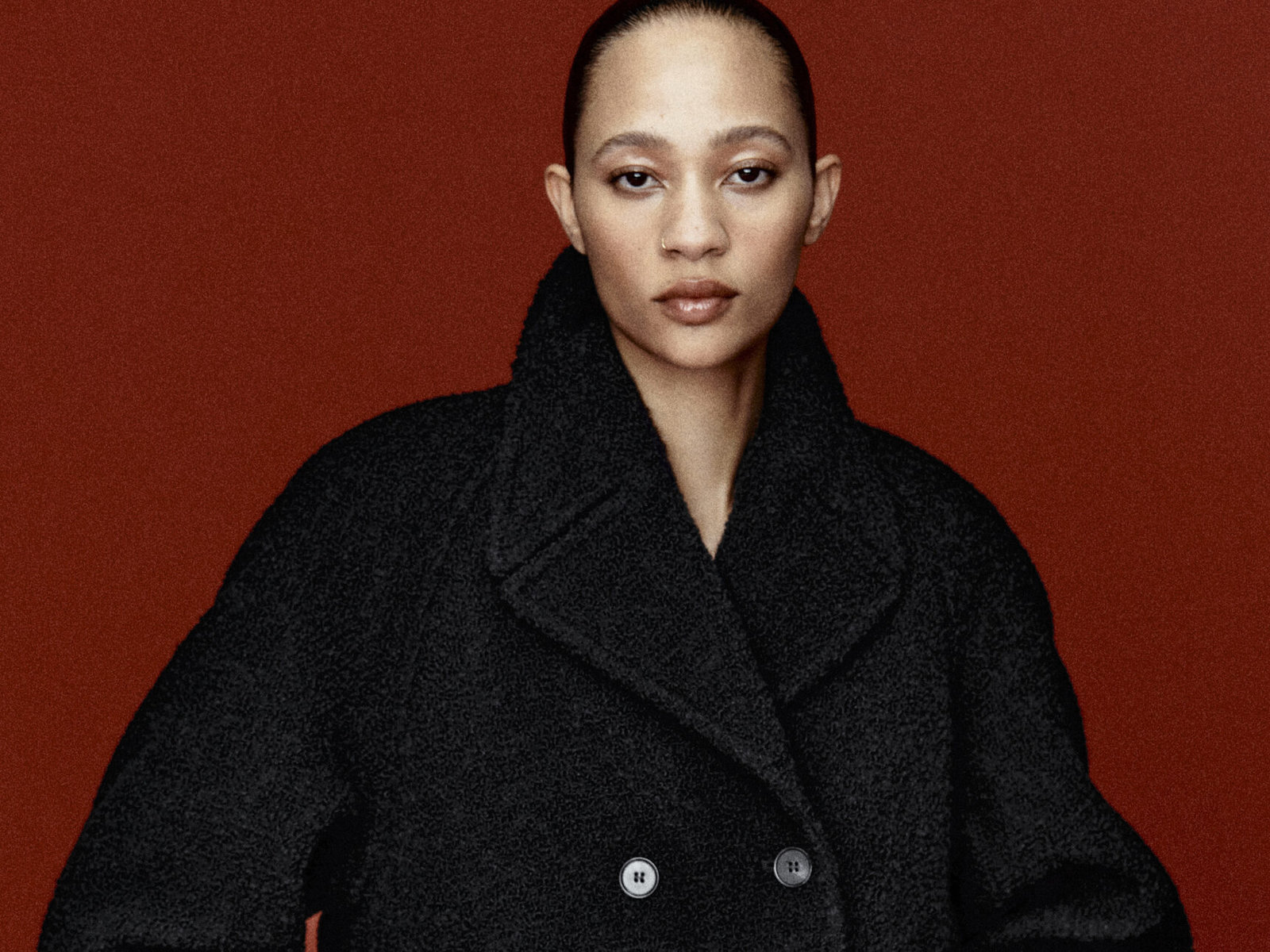
In a conversation with i-D, COS creative director Karin Gustafsson talks about the brand’s Festive holiday collection. The starting point was a classic winter wardrobe. The team rethought the construction and material of every piece. The foundation is tailoring and traditional outerwear: refined proportions, rich textures and careful finishes.

According to Gustafsson, this season stands out for a stronger contrast. Sharp, structured coats and jackets are set against fluid silk and satin. Intense shades of electric blue appear against a black base. In the womenswear she singles out silk and satin dresses. In the menswear she points to reversible coats and a biker jacket with a detachable collar. Her favourite look is tailored trousers with a soft satin blouse. The blouse has a draped cowl neckline, a sculptural hem and a row of buttons down the back.

The key sentence of the conversation is: “The coat is the outfit.” Gustafsson would like people to experiment more boldly with the shape, texture and proportion of outerwear, while choosing pieces that will stay current for years. This is minimalism that is not boring at all.
02

One passport photograph, a thousand versions. Keisha Scarville’s “Passports”.

One passport photograph, a thousand versions. Keisha Scarville’s “Passports”.

Source: 1854 / British Journal of Photography

Photography: One passport photograph, a thousand versions. Keisha Scarville’s “Passports”

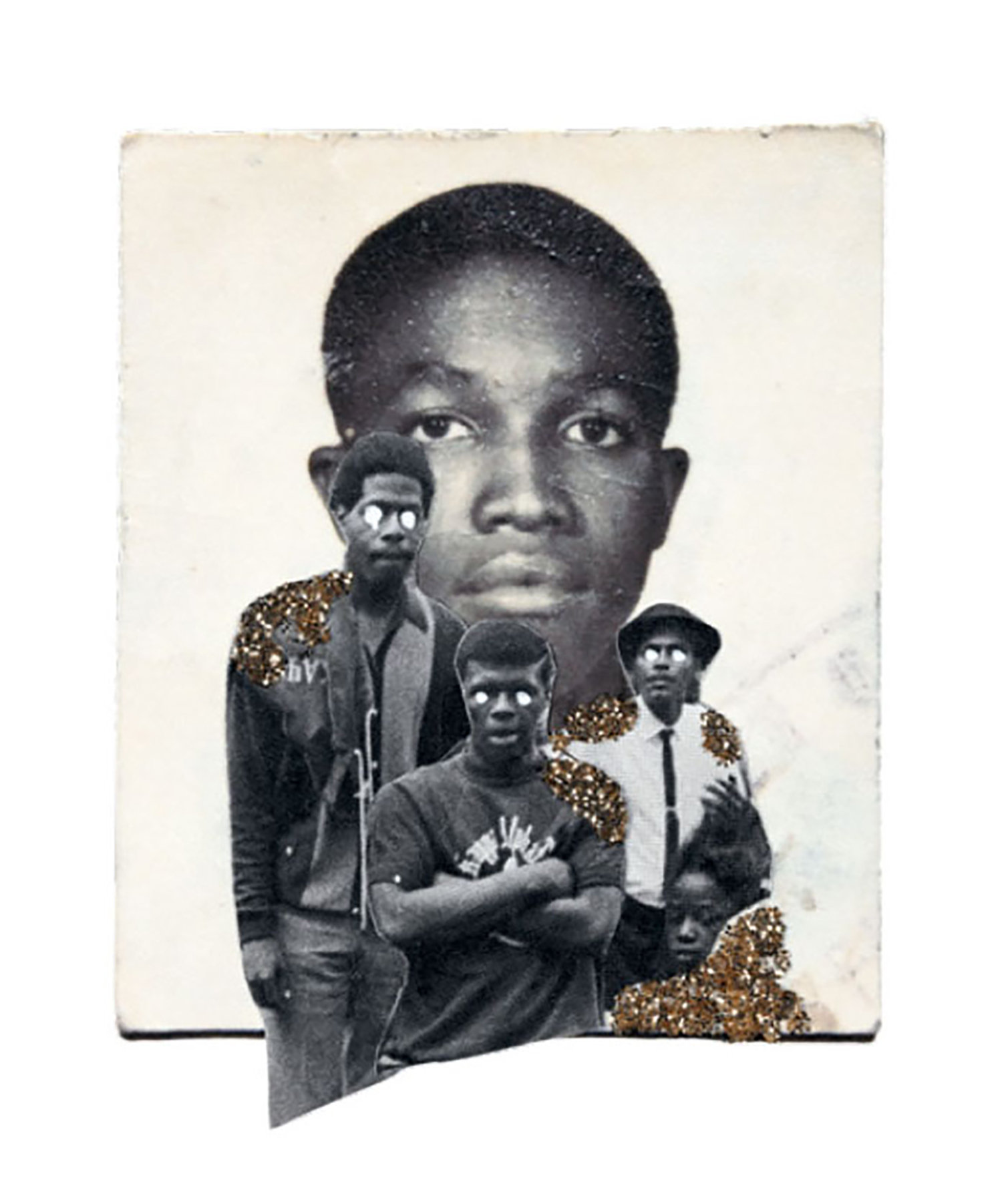
Since 2012 the New York artist Keisha Scarville has returned to a single image: her father’s first passport photograph, taken when he was 16. Her father is from Guyana and emigrated to the United States. Scarville reworks the portrait with collage, ornament, scratched surfaces and painterly gestures. The “Passports” series has been published as a photobook and has just won the Paris Photo–Aperture PhotoBook Awards 2026.

In a conversation with 1854 the artist says the project began with a conversation about identity. When her father retired, she expected him to return to Guyana. He answered: “No, I am an American.” The photograph was taken when, as a teenager, he got a job on a ship sailing the Caribbean. For Scarville it is the spark from which his movement into the world began. He chose the United States, apparently, because of the films he loved watching at the cinema.

Scarville talks about an obsessive attachment to a single image and about the joy of repetition. Lately she has been wondering what we discover when a bureaucratic photograph stops performing its function. The result is an intimate, and at the same time highly graphic, essay on migration and on how one can reinvent oneself.

03

Louise Giovanelli. Curtains, femmes fatales and beauty in the grotesque.

Louise Giovanelli. Curtains, femmes fatales and beauty in the grotesque.

Source: AnOther

Contemporary art: Louise Giovanelli. Curtains, femmes fatales and beauty in the grotesque

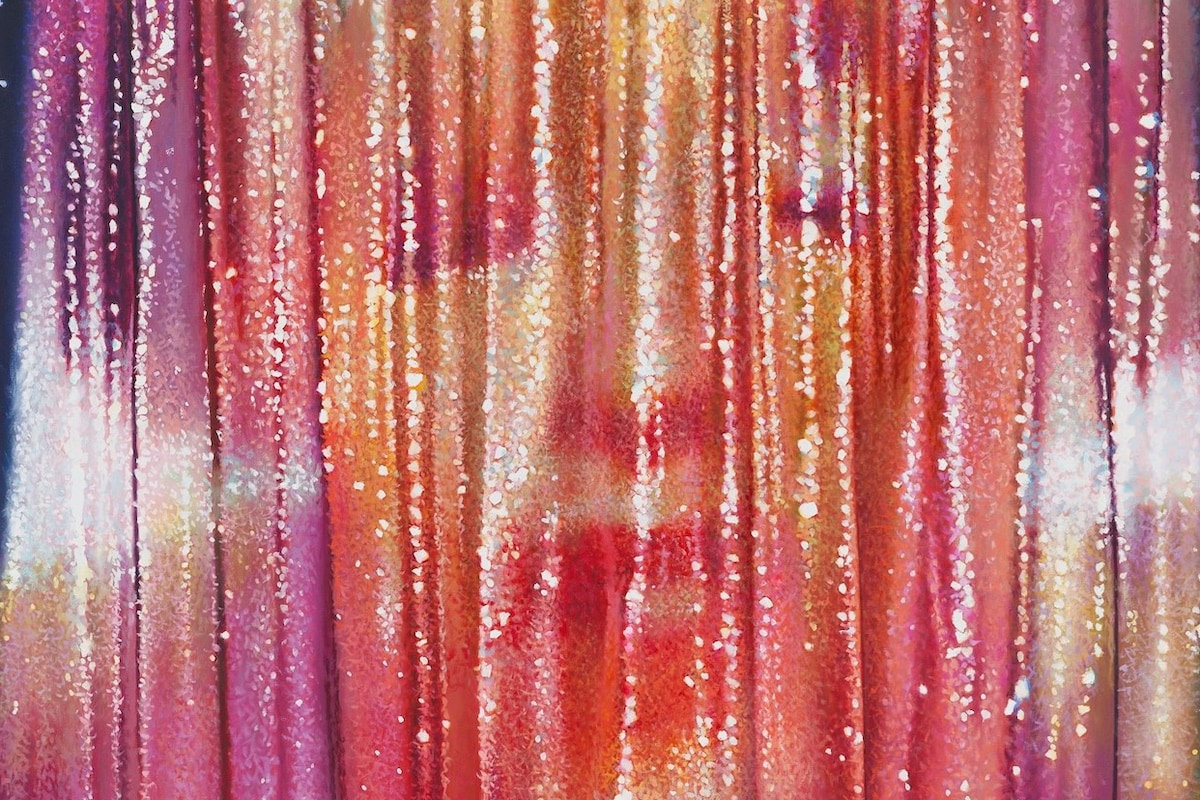
“In the Light of False Suns”, Louise Giovanelli’s third solo exhibition at the gallery, has opened at White Cube Mason’s Yard in London. The British painter was born in London in 1993 and now works in Manchester. She is known for gleaming theatrical curtains, glossy wigs and female figures drawn from cinema. AnOther writes that this time she turns in a new, unsettling direction.

The painting “Aphros” (2026) was based on a photograph the artist took in an abattoir. A close-up of meat in crystalline greys and blues looks from a distance like a geological formation or a starry sky. Only up close do you see the veterinary inspection stamp. “I usually paint beautiful, desirable things, so I wanted to paint something grotesque and make it beautiful,” Giovanelli says. In “Ad Astra” she combines two of her motifs for the first time: women’s faces in ecstasy dissolve into the folds of a backlit curtain. The references run from Sissy Spacek in “Carrie” to Sharon Stone in “Basic Instinct”, interwoven with the language of Catholic iconography.

Giovanelli studied at Manchester School of Art and at the Städelschule with Amy Sillman. She taught herself the techniques of the Old Masters, however, by studying Jan van Eyck in museums. Hence the distinctive glow of her glazes.

04

Casa Magnolia, a 1960s house-library in plum and moss.

Casa Magnolia, a 1960s house-library in plum and moss.

Source: Dezeen

Interiors and design: Casa Magnolia, a 1960s house-library in plum and moss

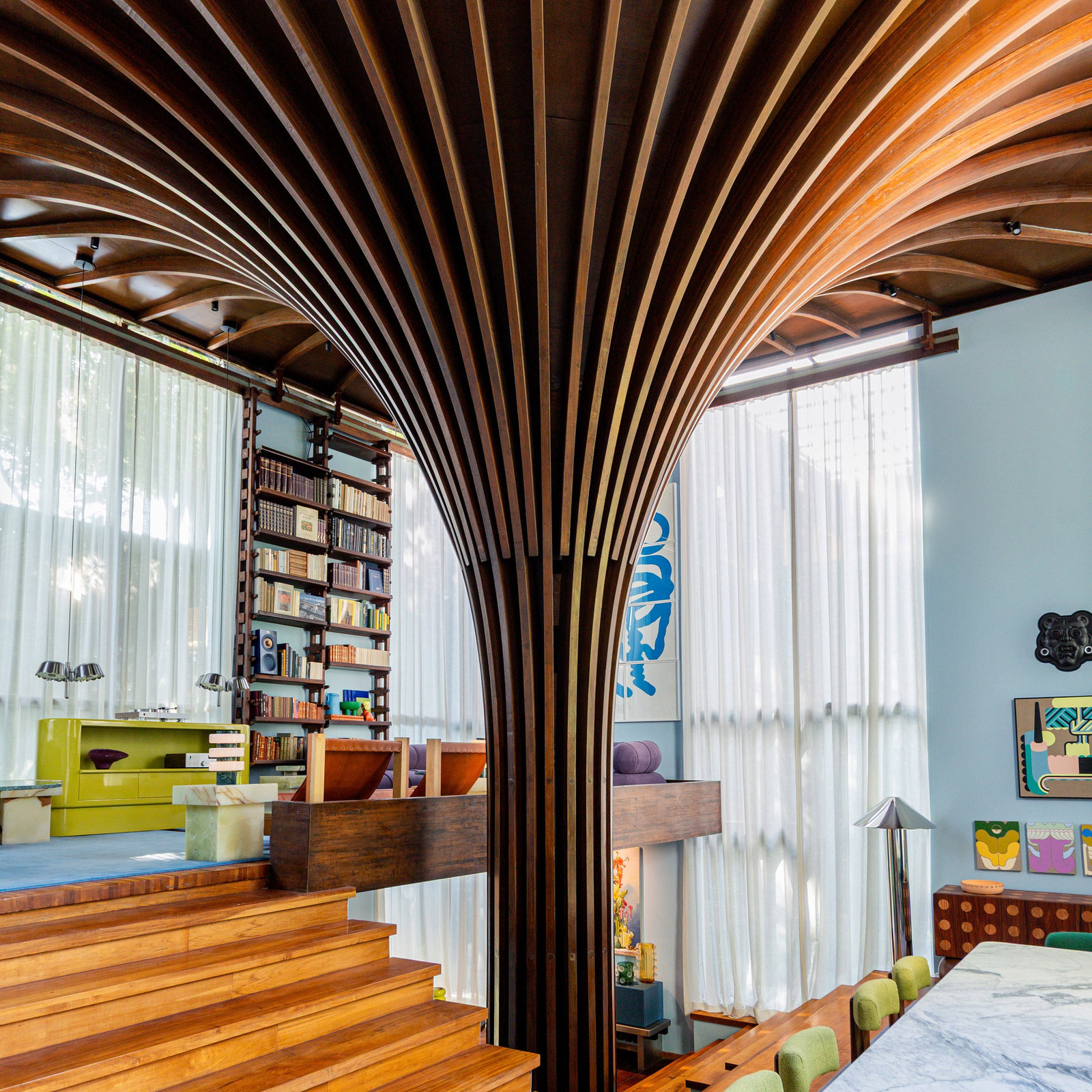
Casa Magnolia stands in Mexico City’s San Ángel district. Jaime Ortiz Monasterio built the house in 1962 as a home library for his brother, an avid reader and book collector. Over the decades repeated renovations blurred its character. In 2025 Andrés Gutiérrez of Estudio A-G was asked to reinterpret the 275 m² interior for new residents. The work was completed in February 2026.

At the heart of the house is a dark wooden structure. Like a sculptural tree it passes through successive half-levels and links the hall, living room, dining room, study and reading areas, up to a double-height volume. The studio restored the original floors and ceilings. It also put back most of the old wooden bookshelves, which had earlier been dismantled and stored away.

Colour plays the leading role: softly blue walls, deep plum sofas, moss-green chairs, lilac rugs, green serpentine and terracotta-toned marble. “Colour is not decoration, but an architectural tool,” Gutiérrez says. The house was meant to be distinctly Mexican, but without folklore and clichés.

05

Bio-typography, or letters made of cells, brain scans and cables.

Bio-typography, or letters made of cells, brain scans and cables.

Source: designboom

Emerging visual trends: Bio-typography, or letters made of cells, brain scans and cables

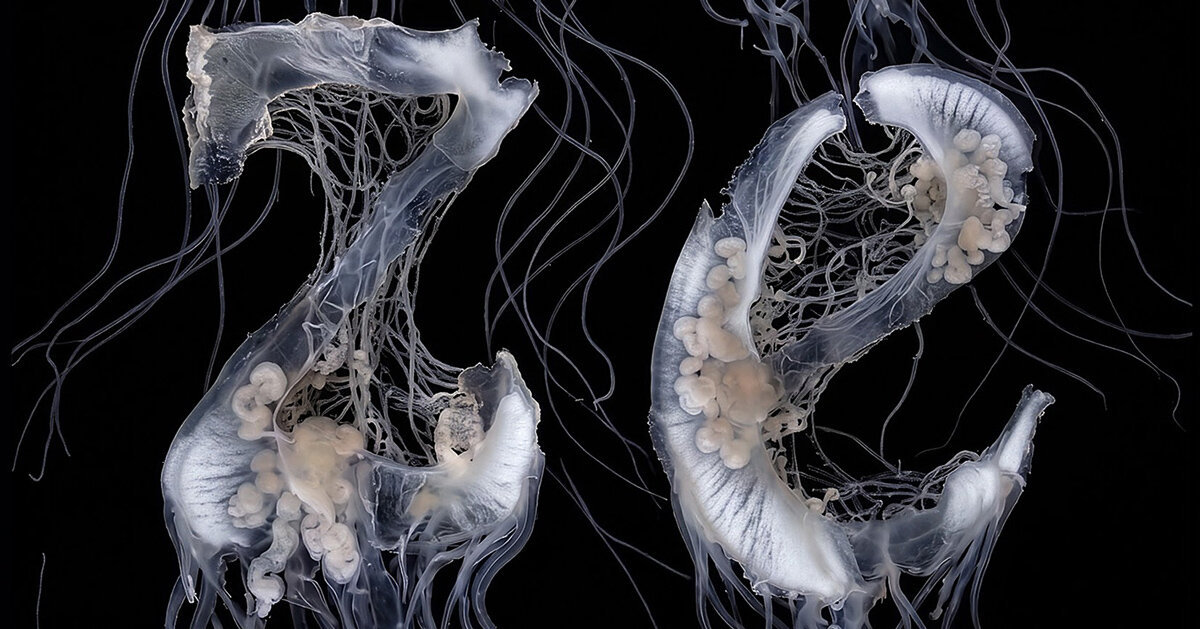
Tokyo graphic designer Hiroshi Imaeda (studio PENETRATE) has shown an original series, “CONNECTION / LONELINESS”. It comprises four experimental bio-typographic works designed as printed posters and screen images. Imaeda treats letters as biological structures and translates social-media interactions into physical, anatomical forms.

Each poster is a different state. In “MEET” two bands of cells cross into an X that splits as connections multiply. In “OOZE” the letters build interlocking, jellyfish-like organisms that grow and dissolve. “PROTOCOL” composes typography from cross-sections of brain scans and presents identity as diagnostic data. In “SEEP” the brain’s blood vessels are replaced by tangled cables — digital networks seeping into consciousness.

The process is interesting too. First the designer himself drew the letter skeletons, the layout and the art direction. He used AI image generation mainly to overlay organic textures, then refined the composition and print by hand in Illustrator and Photoshop. It is a good example of a new aesthetic in which body, data and typography merge into a single organism.

06

Su Blackwell and fairy tales cut from old books.

Su Blackwell and fairy tales cut from old books.

Source: Colossal

Contemporary art: Su Blackwell and fairy tales cut from old books

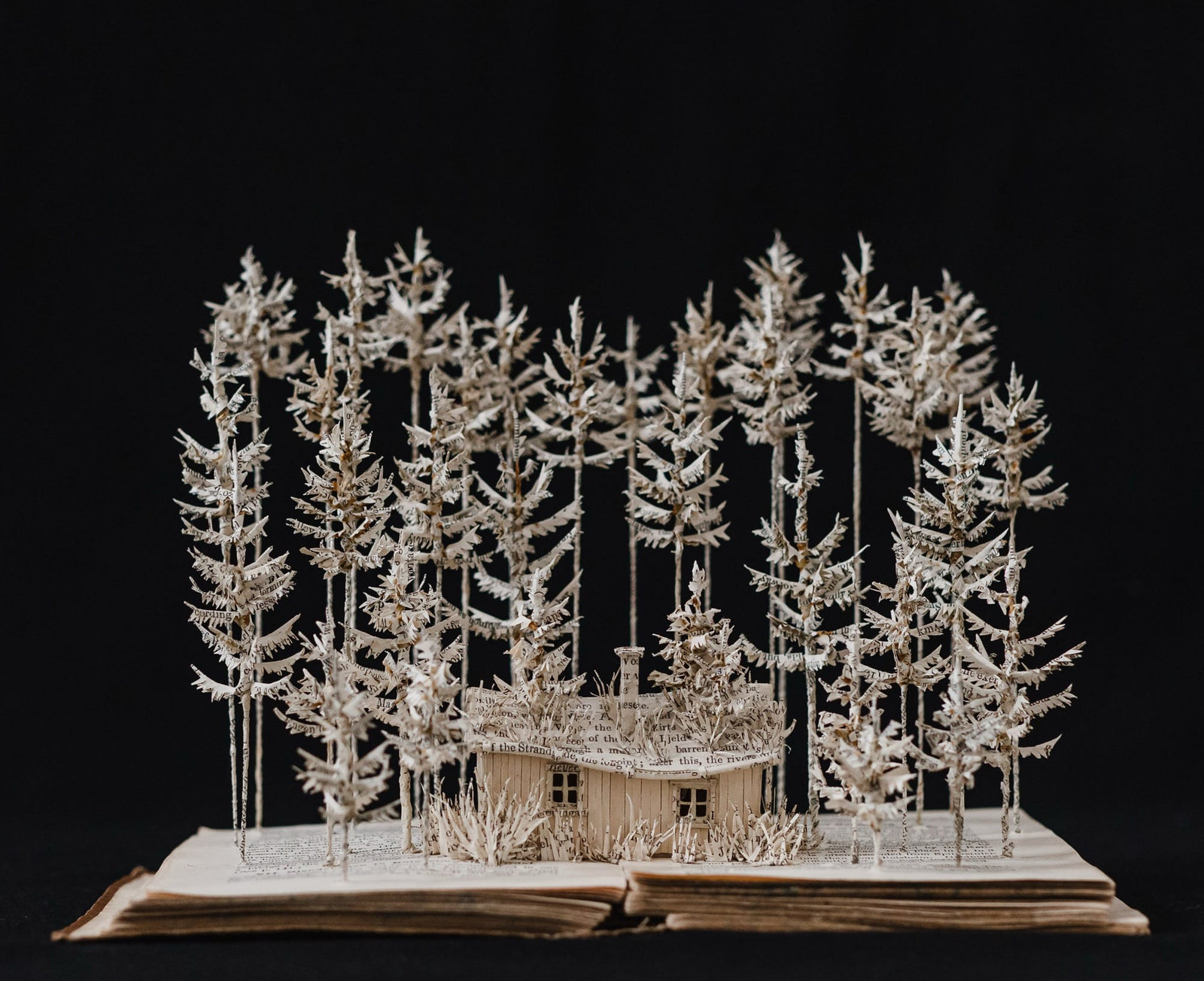
The British artist Su Blackwell cuts, excises and transforms the pages of old volumes and encyclopaedias into fairy-tale paper sculptures. Her new cycle is the subject of a solo exhibition, “Pathway of Crumbs”, at London’s Long & Ryle gallery (from 25 November to 25 January). The title alludes to Hansel and Gretel, and the whole show is about nature and the stories we draw from it.

In the work “In Flight” a swarm of butterflies flies out of a book’s opened pages, and the sculpture stands almost 3.5 feet, or about a metre, tall. In “Break off my Branches” a flock of colourful birds sits on thin twigs growing from an open volume. The opening photograph shows “Kamouflage” (2025), a paper sculpture in a wooden box.

Colossal writes that Blackwell chose books she has had in her collection for years. Some she left as she bought them in a second-hand shop; others she had only lightly trimmed in earlier projects. The results are nostalgic, almost theatrical dioramas at the meeting of nature and culture, in the spirit of a vintage Tumblr sensibility.