21

[ DAILY ] · BB–D–261121

21 November 2026

Saturday, 21 November 2026 / 5 stories

Art, interiors, photography, designers

01

A bridal salon like a European court: Danielle Frankel’s new flagship in Tribeca.

A bridal salon like a European court: Danielle Frankel’s new flagship in Tribeca.

Source: Wallpaper*

A bridal salon like a European court: Danielle Frankel’s new flagship in Tribeca

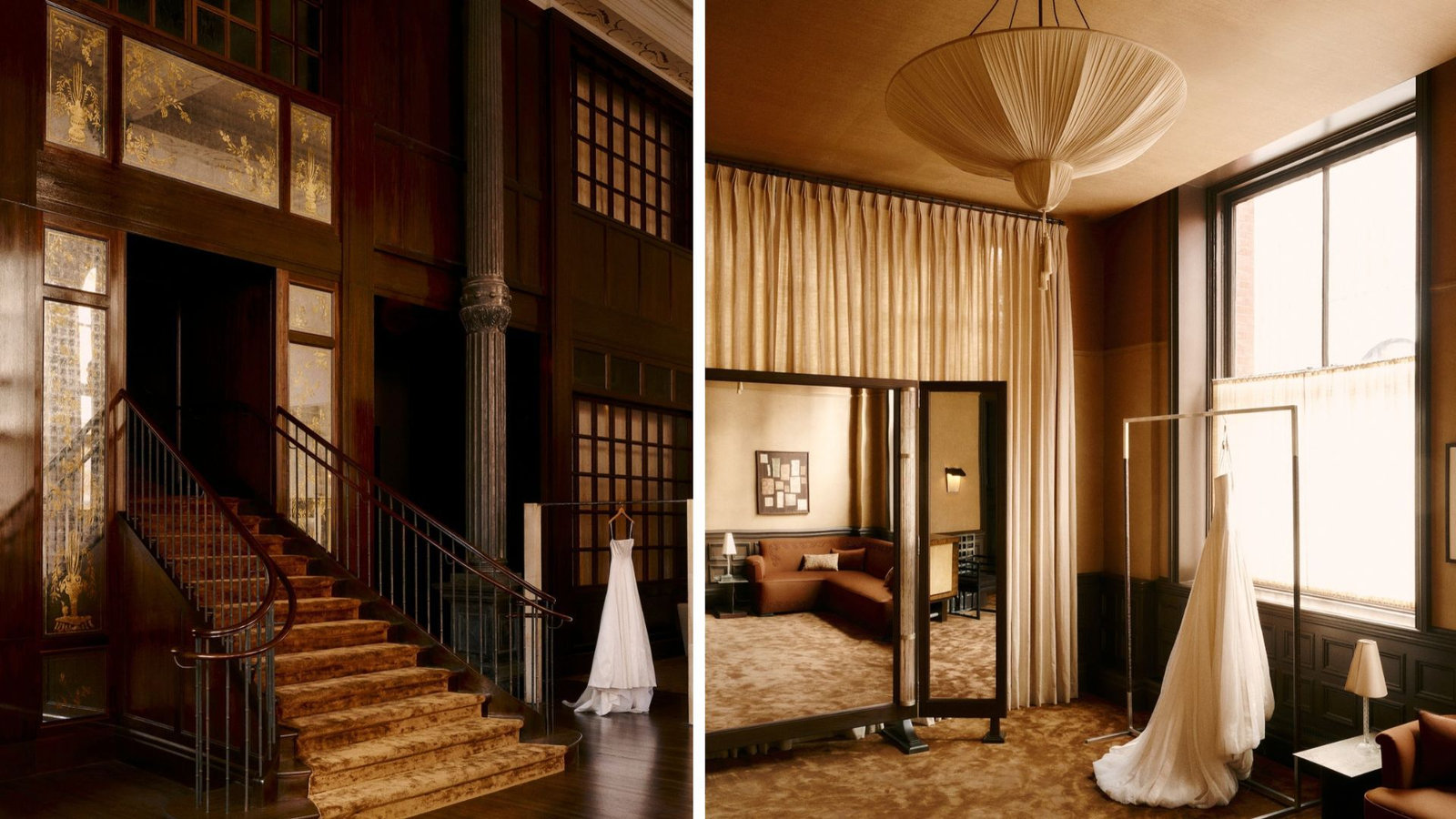
Danielle Frankel Hirsch, a designer known for minimalist wedding dresses in Lyon lace and satin Birkenstocks with pearls, has opened a new salon in New York. She found it in a nineteenth-century Queen Anne building in Tribeca, a former home of the New York Mercantile Exchange. The gallery is 30 feet high (about 9 m), with 20-foot windows and around 1,100 m² of floor area. The interior, however, had no heating or modern electrics, and there were no stairs up to the mezzanine.

The space was designed by Augusta Hoffman, a friend of the designer who first came to her as a bride. The inspiration was the great European residences. Decades of paint were stripped from the cast-iron columns, and white walls and harsh light gave way to walnut panelling, Art Deco-spirited stairs, antiques and gold carpets. Niches in oak bleached with the ceruse technique were lined with Japanese washi paper and used to display bridal slippers.

The most beautiful detail is the monumental églomisé panels by the stairs — glass covered with metal leaf, made with the artist Miriam Ellner. Frankel Hirsch placed them “the way you place lace on a dress”.
02

“The Hamster Becomes the Problem”: David Sims in A Coruña.

“The Hamster Becomes the Problem”: David Sims in A Coruña.

Source: Wallpaper*

“The Hamster Becomes the Problem”: David Sims in A Coruña

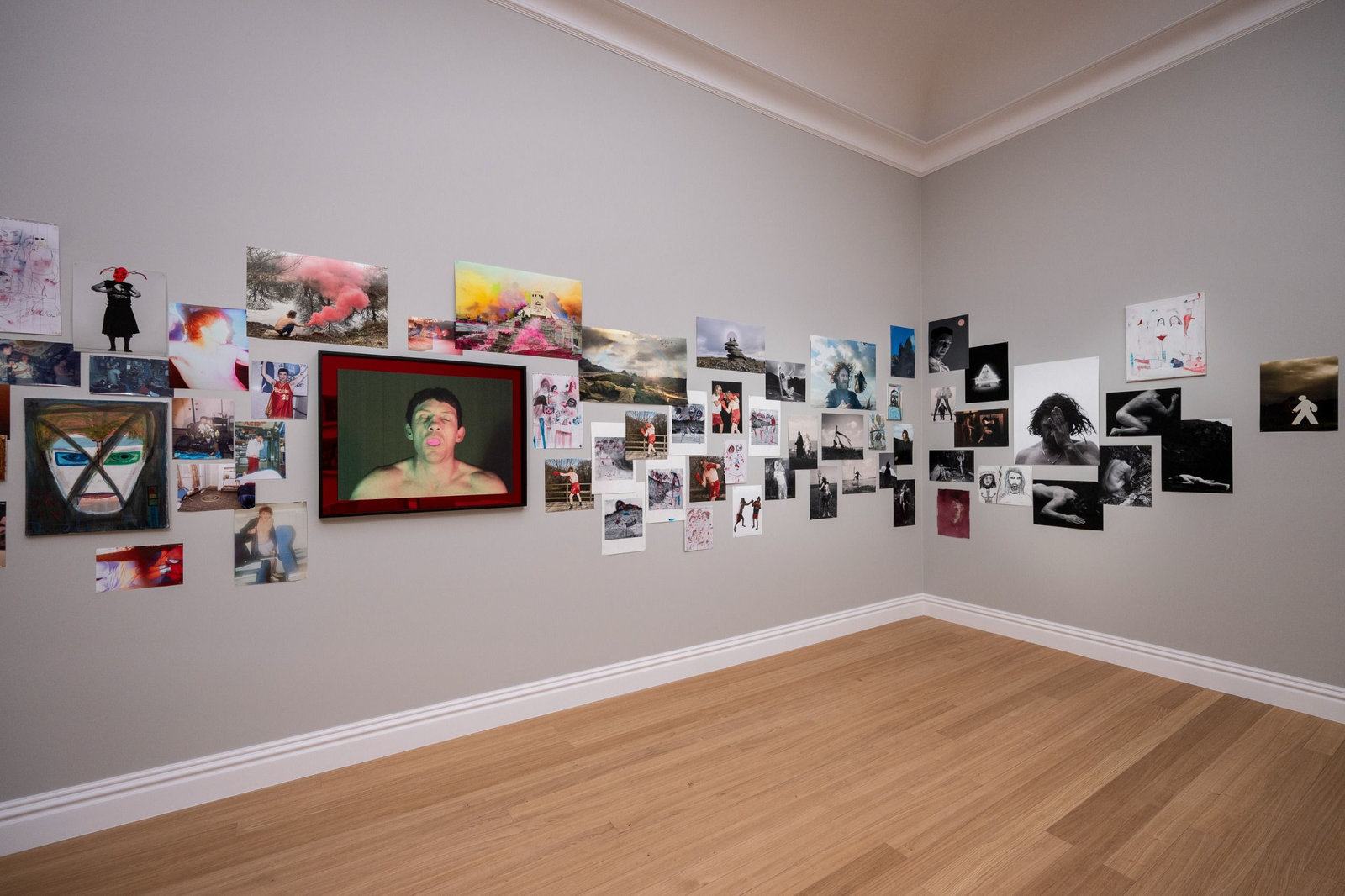
The MOP Foundation of Marta Ortega Pérez in A Coruña has already hosted retrospectives of Peter Lindbergh, Steven Meisel, Helmut Newton, Irving Penn, Paolo Roversi and Annie Leibovitz. Now it is showing David Sims. The Briton was born in Sheffield in 1966, began in the mid-1980s with pictures for i-D, and in the 1990s his raw black-and-white frames of Kate Moss for Calvin Klein helped close the era of 1980s excess. Later he photographed campaigns for Yohji Yamamoto and Helmut Lang.

The exhibition was organised by curator Charlotte Cotton. Classic gallery rooms alternate with anonymous, liminal spaces in fluorescent light, and sculptural accents appear among the photographs: seats, stacks of packing fill, vitrines on wheels and films. They include “Martin on Blue” (1994) from a Helmut Lang campaign, Małgosia Bela for Jil Sander in 1999, and sittings for The Face and Self Service. The works are arranged intuitively rather than chronologically. Sims had only one reservation: “just don’t put any dresses in” — no dresses in the exhibition.

The show runs from 21 November 2026 to 1 May 2027, and admission is free.

03

Holy martyrs in Prada and Simone Rocha: paintings by Dani Trew.

Holy martyrs in Prada and Simone Rocha: paintings by Dani Trew.

Source: Wallpaper*

Holy martyrs in Prada and Simone Rocha: paintings by Dani Trew

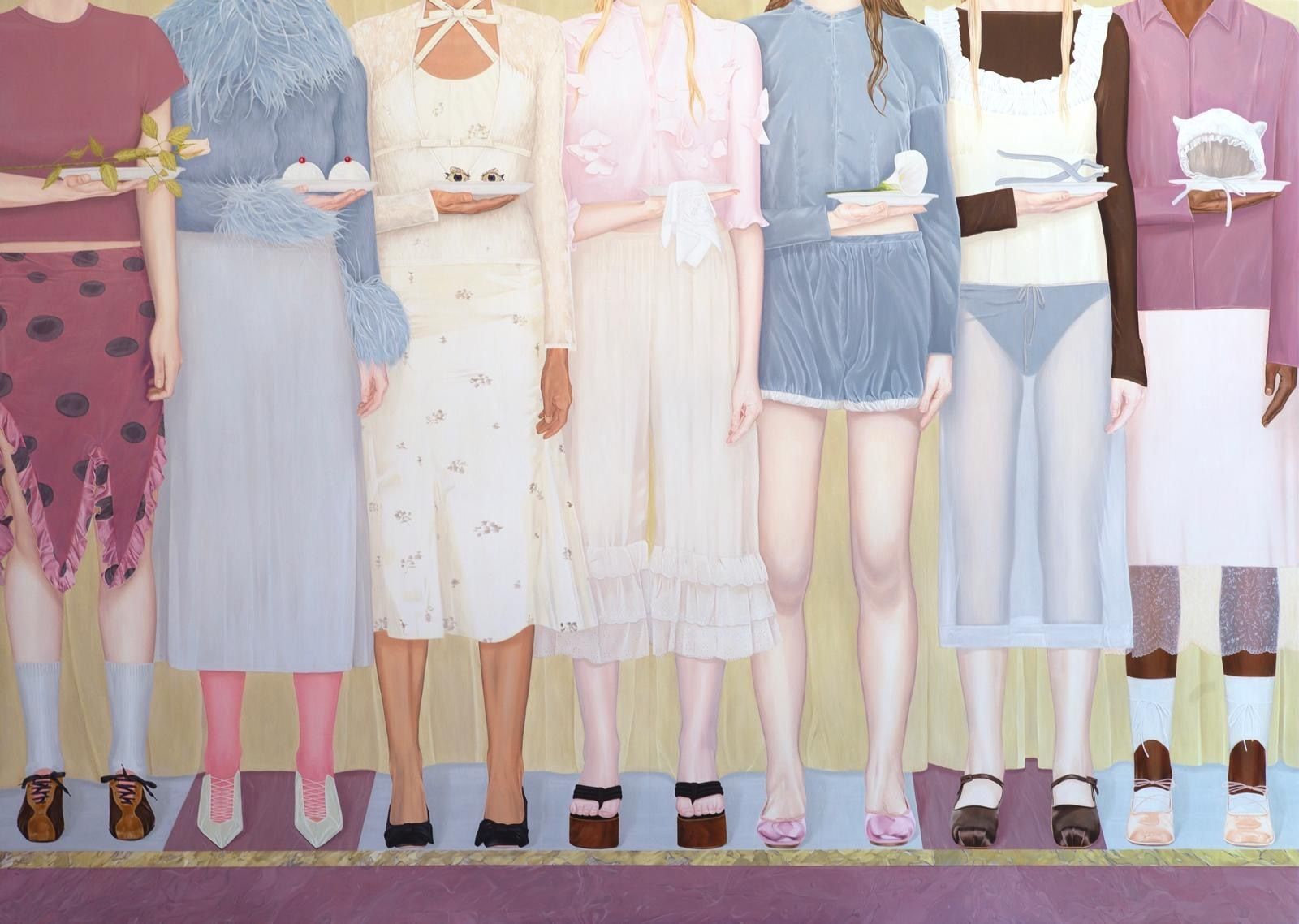
“Why should a dress be any less profound than a painting?” That question opens the exhibition “Silk on Stone on Lace on Flesh” at Lyndsey Ingram gallery in Mayfair. Dani Trew was born in South Africa and raised in London. She studied English literature at Oxford and design history at the RCA, wrote a doctorate on fashion and politics in nineteenth-century Britain, and worked in the V&A’s textiles and fashion department. In her paintings we recognise women by the cut of a dress, the shoes and the fabrics, not by their faces.

The largest canvas of her career, “Far from the Shores of Silence”, depicts seven headless women in clothes by, among others, Coperni, Conner Ives, Prada, Simone Rocha and Mimi Wade. Each holds a plate with a saint’s attribute, such as Lucy’s eyes, Apollonia’s tooth or the lily of Catherine of Siena. The inspiration was the Byzantine mosaics of 22 martyrs in the basilica of Sant’Apollinare Nuovo in Ravenna.

Pastel pinks, lilac purples and blues only heighten the dread of the subject. Trew calls her world “psychic archaeology”. The exhibition runs until 23 December.

04

House Tropicália: Lina Bo Bardi, Hockney and drainage pipes in Catford.

House Tropicália: Lina Bo Bardi, Hockney and drainage pipes in Catford.

Source: Dezeen

House Tropicália: Lina Bo Bardi, Hockney and drainage pipes in Catford

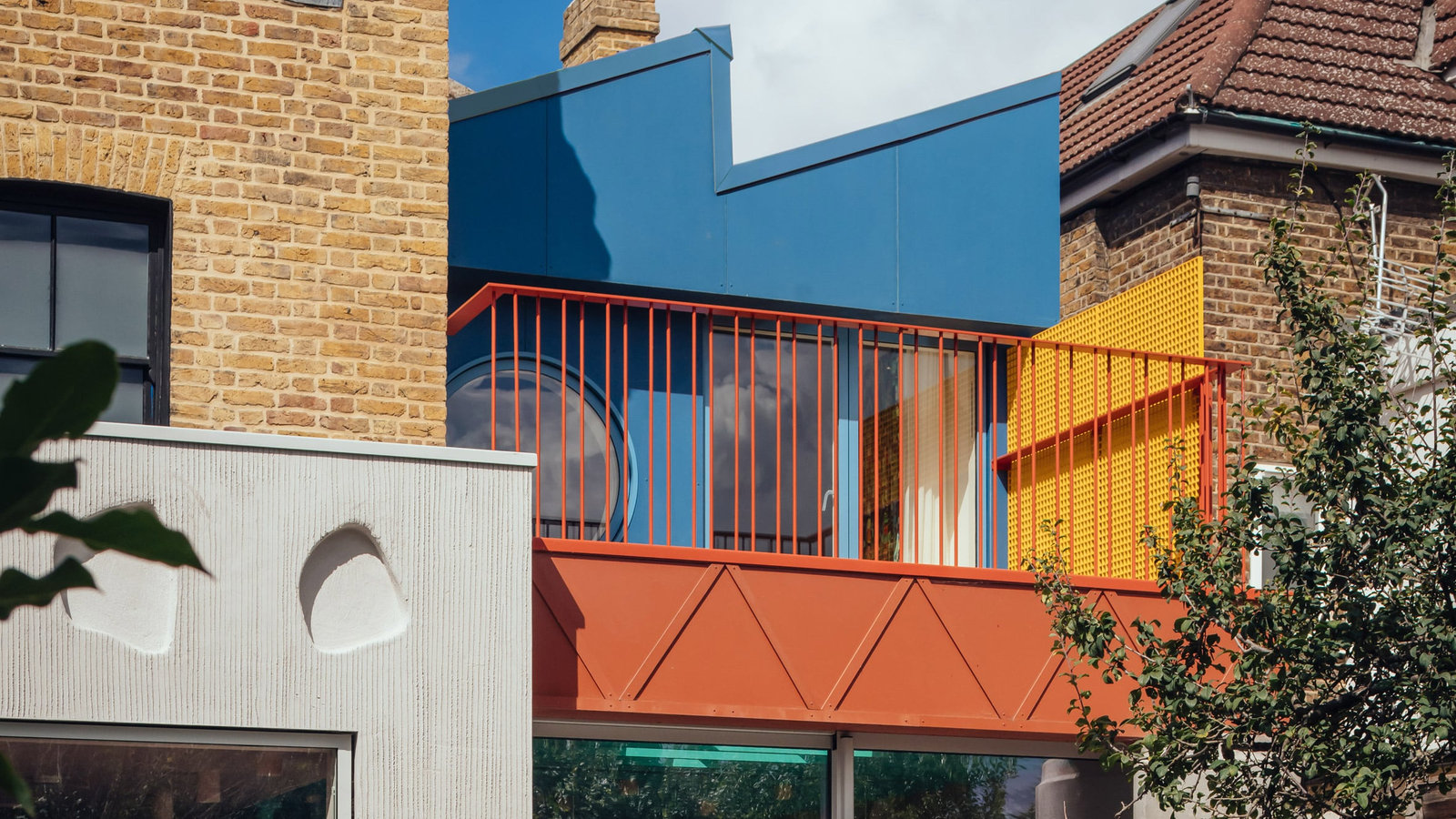
London studio CAN extended a house in Catford for designer Fabiane Lee-Perrella, television producer Robin Lee-Perrella and their two sons. The brief had two parts. The first was practical: a new kitchen with a dining area open to the garden, and two bedrooms upstairs. The second was atmospheric: the house was to express the owners’ varied taste and their architectural memories. The moodboard included Lina Bo Bardi’s SESC Pompéia, industrial architecture, paintings by David Hockney and Moroccan riads.

Hence the name, which refers to the rebellious Tropicália movement of the late 1960s. The rear façade is a collage: two towers of concrete drainage pipes pierce a red steel canopy over the patio. Beside them are blue and red fibre-cement panels, textured plaster, raw concrete with irregular openings, a metal shed roof and a bright yellow screen facing the neighbours. The winding outline of the patio alludes to Roberto Burle Marx.

CAN founder Mat Barnes says he treated contradictions in the clients’ tastes not as competing ideas but as a chance to make something individual. The result is a joyfully camp manifesto of domestic architecture.

05

Glitch as ornament: a tiled façade for an electrical substation.

Glitch as ornament: a tiled façade for an electrical substation.

Source: Dezeen

Glitch as ornament: a tiled façade for an electrical substation

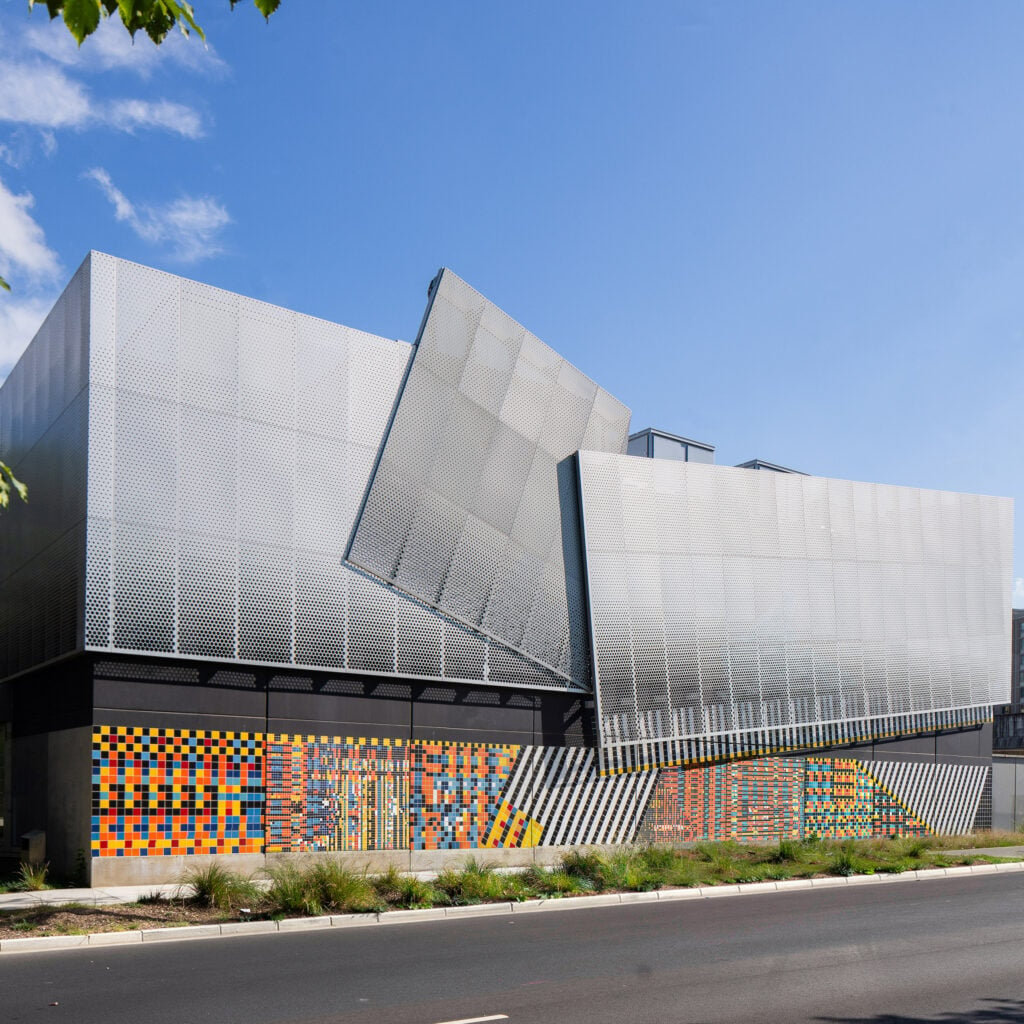
Atelier Manferdini of California, the studio of Italian Elena Manferdini, who teaches at SCI-Arc, designed the façade of a Dominion Energy electrical substation in Crystal City, near Washington. The project is called InVisible. “Infrastructure is crucial for cities, but this substation is designed for machines, not for people,” Manferdini says. The façade was meant to change that and start a conversation with the neighbourhood through colour, pattern and perception.

A colourful band of tiles at the base of the building was designed computationally in Processing, a tool that originated at the MIT Media Lab. The pattern has 10 colours and tiles in three sizes: 2, 4 and 6 inches. That is a reference to the voltage changes the substation performs. “Glitches” were deliberately introduced into the code, and the effect recalls Mondrian’s “Boogie Woogie”. Higher up are folded metal panels of a ventilated façade, set at different distances from the wall. Light passes through them at varying densities, so the surface changes with the time of day and the vantage point.

It is further proof that the aesthetic of the digital error is moving from screens into matter. Here it has become ornament at the scale of the city.