20

[ DAILY ] · BB–D–261120

20 November 2026

Friday, 20 November 2026 / 6 stories

Art, interiors, photography, designers

01

Satanic glamour, 2004: the costumes of the series “The Body”.

Satanic glamour, 2004: the costumes of the series “The Body”.

Source: Dazed

Satanic glamour, 2004: the costumes of the series “The Body”

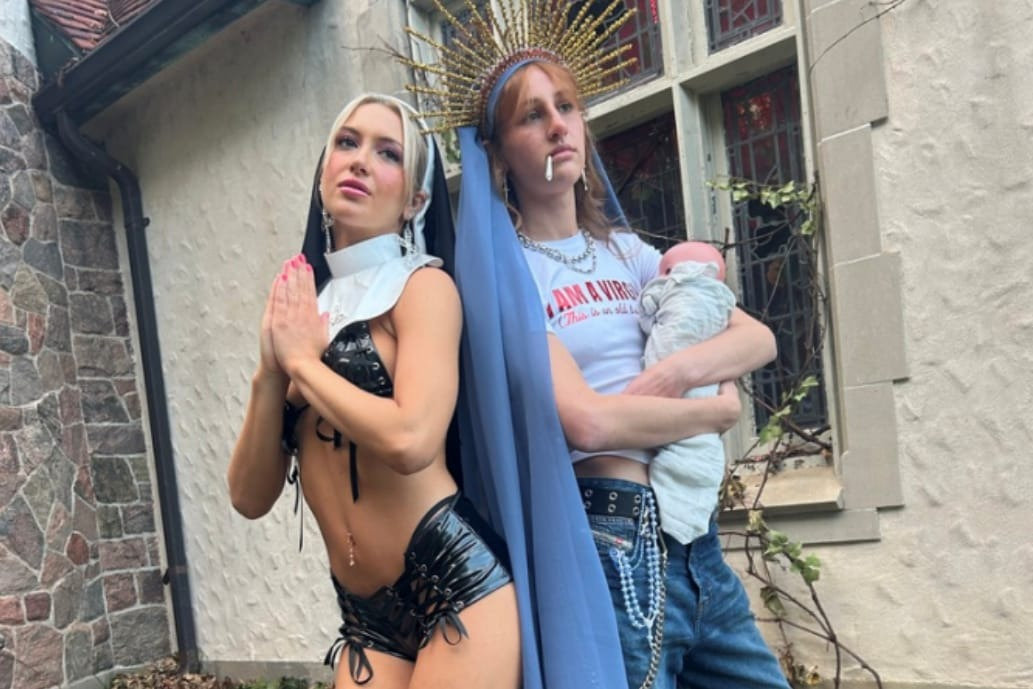
“The Body” by Quinn Shephard and Gina Gammell — the story of Catholic lesbian cheerleaders who make a pact with the devil — became Netflix’s most-watched series in the world within a week of its premiere. Dazed points out that a large part of that success is the wardrobe. The action is set in 2004, and costume designer Mirren Gordon-Crozier built it from Y2K relics: jets everywhere, velour tracksuits, leather jackets with fur trim, capri pants and blue eyeshadow.

Instead of a single moodboard, each character got her own. For Anya the sources were early shows by Blumarine, Marc Jacobs and Chloé. The darker, more avant-garde Elise was built from references to Comme des Garçons, Balenciaga, Ann Demeulemeester, Devon Aoki and Milla Jovovich. Almost everything comes from the vintage market. The exception is the velour tracksuits from the LA brand Miaou. Bags, including a Balenciaga City, a Fendi Spy and a Dior Saddle, were often bought already worn, then restored and repainted.

It is an archival 2000s runway, in a film version. The rarest find was a Saddle bag from Dior’s Cherry Blossom collection, designed by Galliano. Gordon-Crozier herself is proudest of the Gucci and Dior glasses and of the vintage zebra fur that Elise wears in the exorcism episode.
02

Belmond hands its hotels to photographers. Jack Davison and a slow medium.

Belmond hands its hotels to photographers. Jack Davison and a slow medium.

Source: Wallpaper*

Belmond hands its hotels to photographers. Jack Davison and a slow medium

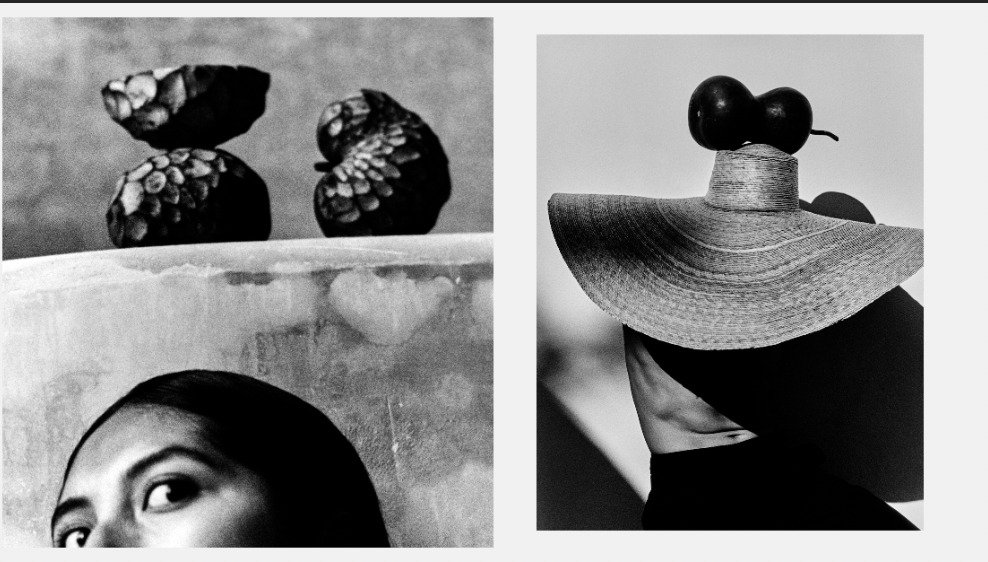
The hotel group Belmond is moving more deeply into the world of photography. It supports Paris Photo, awards the annual Belmond Photo Award for a new take on travel photography, and publishes books in the “As Seen By” series with the publisher RVB. As Belmond’s Arnaud Champenois explains to Wallpaper*, the artists are given a free hand, a carte blanche, though they know the history of the brand and of the places.

The latest volume was made by London photographer Jack Davison. He photographed Maroma, Belmond’s hotel on Mexico’s Riviera Maya, and his raw, fluid frames took inspiration from Maya creation myths. The hotel interiors were designed by Tara Bernard in collaboration with leading Mexican artisans. Davison created new objects with them in wood, stone and paper, then photographed them on site. Champenois calls the project “quite conceptual”.

This year’s Belmond Photo Award went to the French photographer Isabelle Caplain. In an essay she wrote that she wanted to set out alone and return to slow work in medium format. Her project was made on a journey through Morocco. It is an example of a luxury brand commissioning authorial photography rather than advertising imagery.

03

James Turrell hangs cubes of light in the air.

James Turrell hangs cubes of light in the air.

Source: designboom

James Turrell hangs cubes of light in the air

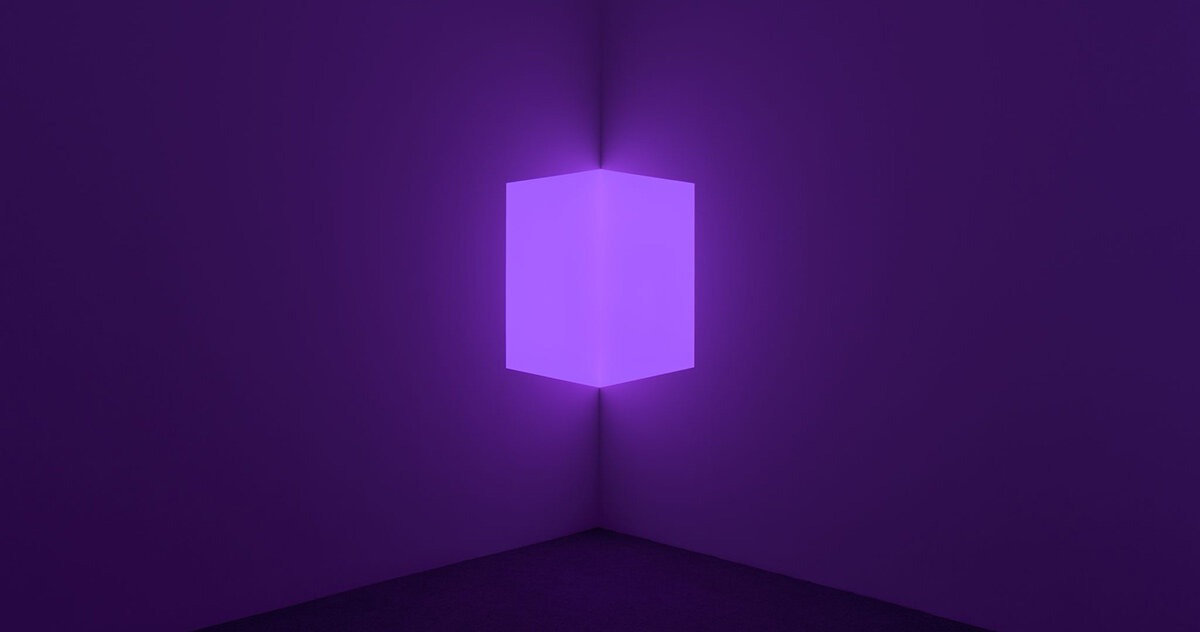
James Turrell has filled Almine Rech’s gallery in New York’s Tribeca with luminous forms that seem to emerge from the walls and float in the air. The exhibition “Something Old, Something New, Something Borrowed, Something Blue” gathers more than fifteen works, including new installations that return to the artist’s earliest experiments with light and perception. It is his first presentation with Almine Rech in the United States, nearly four decades after their first collaboration in Paris.

The new “Afrum Violet” (2026) belongs to the Cross Corner series. A sharply cut violet shape where two walls meet looks like a three-dimensional volume. Turrell began such projections in 1966 at the former Mendota Hotel in Ocean Park, California. In the Shallow Space works, a seemingly flat sheet of colour reveals the real space behind the wall. “Raemar II” spills violet into the surroundings, and new Glassworks combine programmed LEDs with etched glass.

It is a pure lesson in seeing. A few steps are enough for the “cube” to become an ordinary corner again. The exhibition can be seen until 30 January 2027.

04

Angels, aliens and “pure uselessness”: Chloe Wise for Performa’s 20th anniversary.

Angels, aliens and “pure uselessness”: Chloe Wise for Performa’s 20th anniversary.

Source: Dazed

Angels, aliens and “pure uselessness”: Chloe Wise for Performa’s 20th anniversary

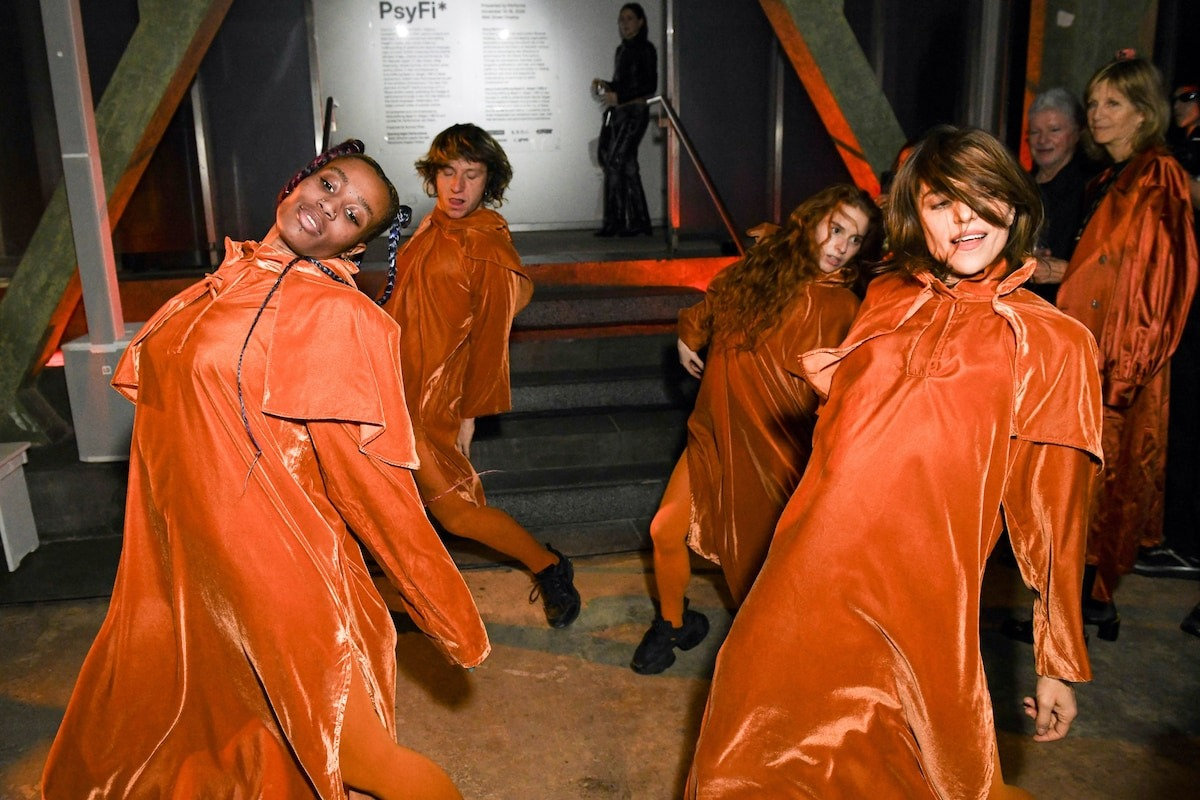
Performa, New York’s leading institution of performance art, marked its 20th birthday with an immersive evening, “Double Feature”, in the raw interior of a former cinema on the Upper East Side. The centrepiece was Chloe Wise’s three-screen film “PsyFi*”, earlier commissioned by Kulturstiftung Basel H. Geiger and first shown in Basel. It features a sexy film-noir alien, Michelangelo-like angels, a demon circulating through New York bars and a Victoria’s Secret angel.

The evening spilled beyond the screen. A chorus of figures in rust-orange hoods sang “Enter into pure uselessness” and led guests into a room for a “cosmic” banquet by chef Ashley Rath, inspired by the film: ink-black pasta, purple legumes and gelatinous desserts in edible red cups. The live performances were organised by Performa curator Job Piston. According to founder RoseLee Goldberg, the whole thing was put together in about five weeks, though biennial commissions usually mature for as long as two years.

Wise explains that this is the song the film’s angels sing at the entrance to heaven. It refers to an essay by psychoanalyst Jamieson Webster on angels and Freud. The artist wants viewers to leave “with more questions than answers”.

05

Paris meets Saigon in a modernist building in Rotterdam.

Paris meets Saigon in a modernist building in Rotterdam.

Source: Yatzer

Paris meets Saigon in a modernist building in Rotterdam

Grand Café do. is a 1,500 m² French-Vietnamese restaurant, bar and events space. It sits at the base of the Groot Handelsgebouw, the functionalist 1953 building by Huig Maaskant and Willem van Tijen, a symbol of Rotterdam’s postwar reconstruction. Behind it are restaurateur Tan Do and creative director Tim Wes. The architecture was designed by MASA Architects, the interiors by Jarno Kooijman of studio Fundamente.

Instead of bentwood Thonet chairs and Vietnamese motifs, there is the building’s concrete skeleton stripped back to its raw structure. It is set against red marble, coloured glass, waxed teak and carved resin. In the double-height room a long red-marble bar is crowned by a Sabine Marcelis installation of glass sheets that shift from transparency to a deep orange. The mezzanine is furnished with armchairs from Seven Up, a 1970s discotheque on Italy’s Adriatic coast.

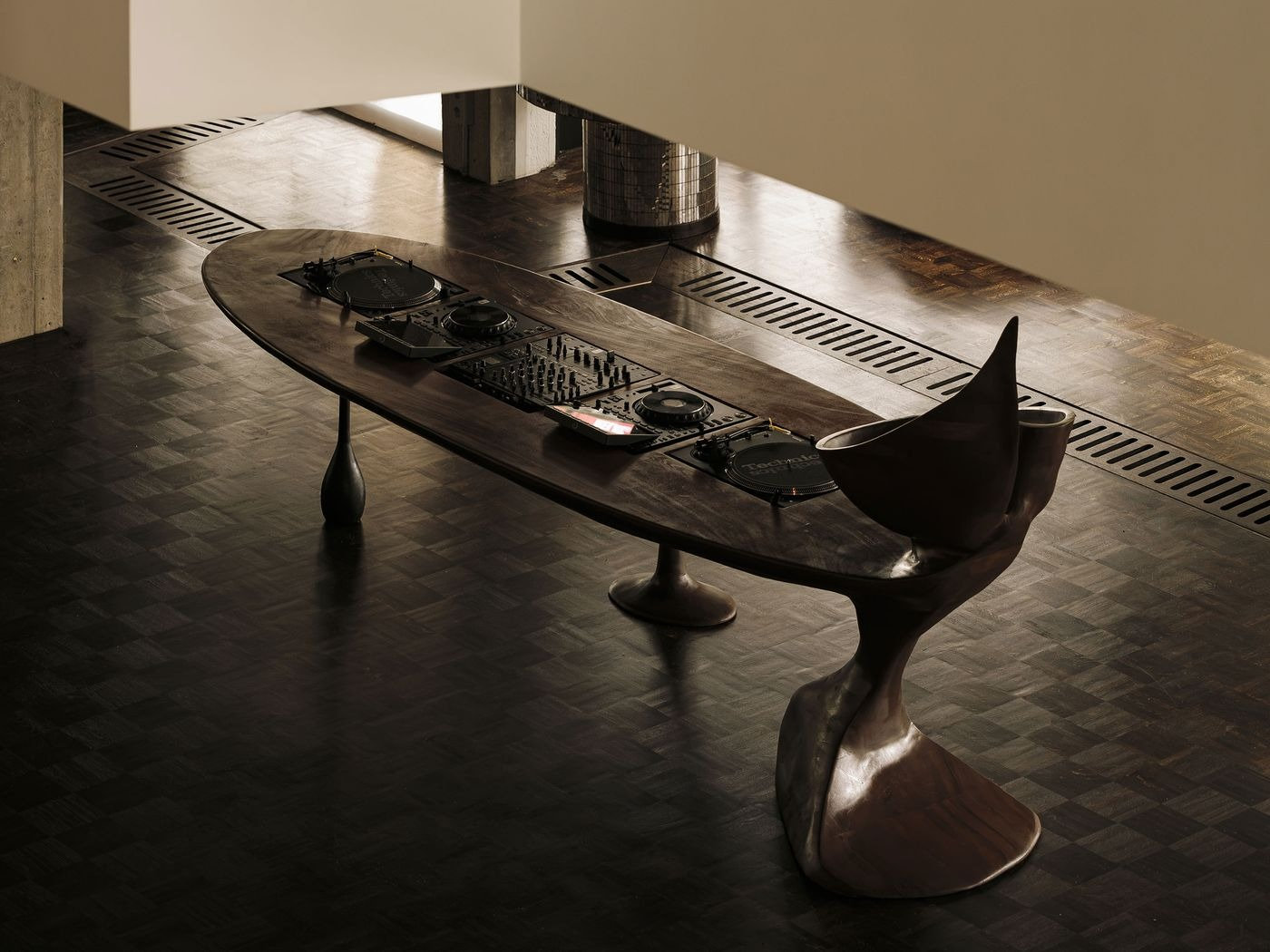
A strength of the project is the commissions from artists: Tacet, a sculptural DJ console by Kim Mupangilai inspired by a piano; Shape of Water water lamps by Moon Seop Seo; and misty panels by Casper Faassen. The interior balances the monumental and the intimate.

06

Knitwear that breathes: Katrijn Westland’s soft creatures.

Knitwear that breathes: Katrijn Westland’s soft creatures.

Source: designboom

Knitwear that breathes: Katrijn Westland’s soft creatures

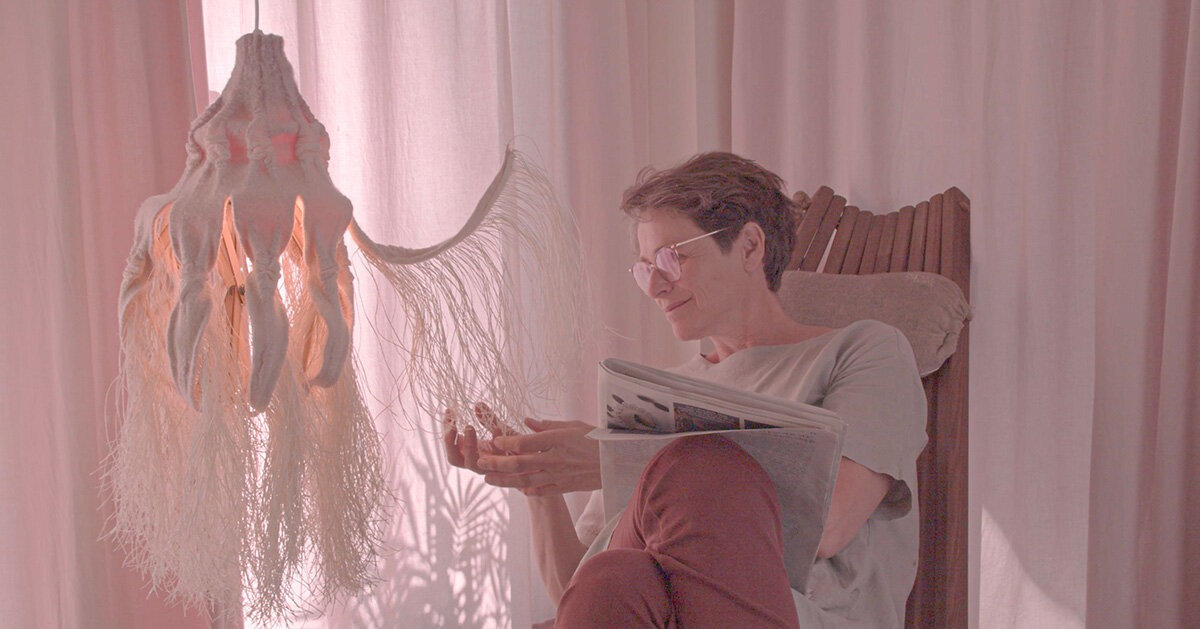
The Dutch designer Katrijn Westland has a background in multisensory scenography and interaction design. In the Soft Companions project she creates knitted creatures that breathe, purr, vibrate, warm and respond to touch. Each has “skin and muscles” of knit dyed with natural dyes, “bones” of pneumatic or mechanical mechanisms, and a “heart” in the form of a printed circuit board with sensors.

They deliberately do not resemble cats or other familiar animals, because a familiar look would impose expectations. Westland asks whether care, usually associated with living beings, can also extend to materials. She cites Gary Dahl’s Pet Rock of 1975 and the links between textiles and computing, from the Jacquard loom’s punched cards to the Apollo computer’s core memory. During tests, people stroked their creatures and gave them names when they were put up for “adoption”.

The project shows a wider turn in design: soft e-textiles, imperfect movement and objects that feel more like companions than gadgets. Westland noticed that the clumsiness of early prototypes made them seem more alive.