19

[ DAILY ] · BB–D–261119

19 November 2026

Thursday, 19 November 2026 / 6 stories

Art, interiors, photography, designers

01

FASHIONCLASH in Maastricht: bodies that melt, mix and slip out of categories.

FASHIONCLASH in Maastricht: bodies that melt, mix and slip out of categories.

Source: KALTBLUT

Fashion and designers — FASHIONCLASH in Maastricht: bodies that melt, mix and slip out of categories

The 18th edition of FASHIONCLASH Festival was held in Maastricht from 13 to 15 November. Across 15 venues in the city the festival invited 190 designers, artists and performers, and more than 500 makers in total. There were exhibitions, performances, shows, short films and participatory projects. The main exhibition, “New Fashion Narratives – Fleshy, Slimy, Wobbly” at Bureau Europa, is the work of curators Jamal Nxedlana, Karmen Samson, Welmoed Bosch and Agatha Prieto Jeanty. It shows clothes and objects that “leak”, mutate and refuse to be pigeonholed.

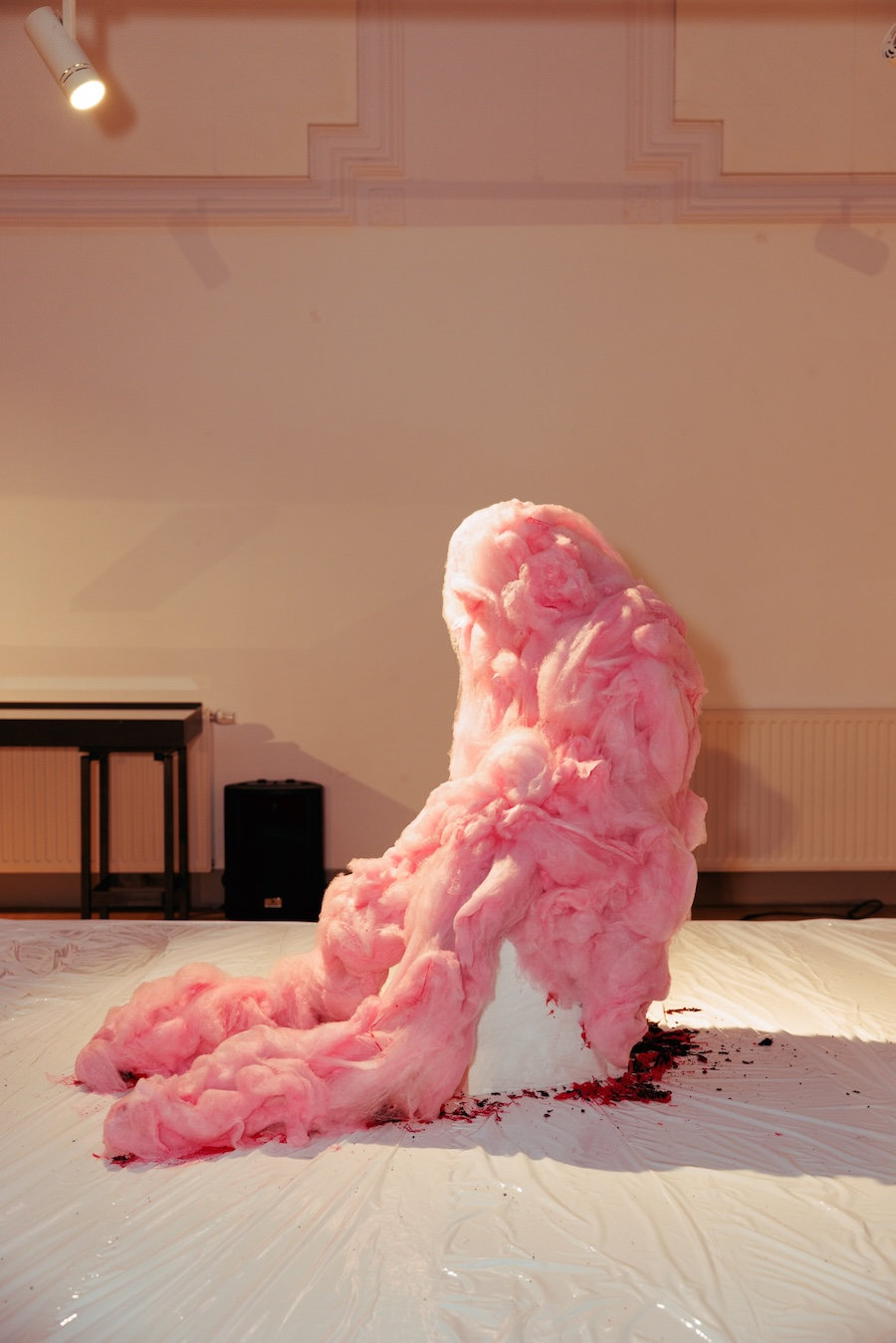
In the performance “TIREMAN”, Julia Mazur enclosed three performers in a single sculpture of three van tyres and turned them into one organism. Martijntje Cornelia, known as the Queen of Cotton Candy, sculpted in sugar in the work “Melt Into Me, Sweet Rot”. Her forms slowly collapsed under moisture and gravity. Studio Paul & Haiko sewed a quilt from vintage dresses belonging to Paul’s mother and reinterpreted Botticelli’s “Venus”.

The FASHIONCLASH Festival Award went to Anna Strengers. Emma Magermans received the Textile Innovation Maastricht Award and the PFAFF x Stitchlie Award, and the fashion-film prize went to Emma Evelein. This is a festival at which fashion is a language of identity and matter, not a commodity.
02

Morgan Maher and Hollywood screen tests.

Morgan Maher and Hollywood screen tests.

Source: i-D

Photography — Morgan Maher and Hollywood screen tests

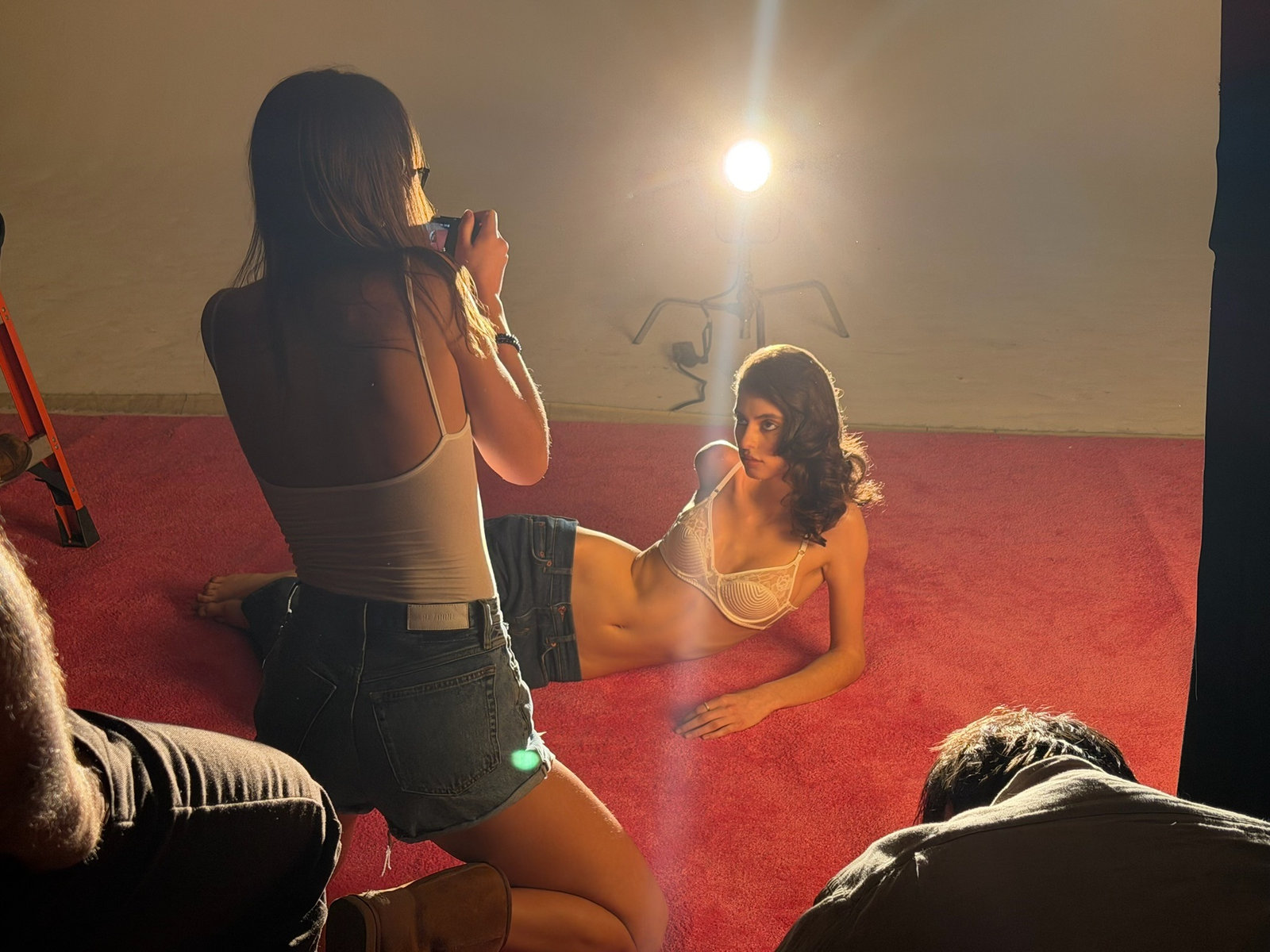
Morgan Maher, a photographer known for her debut book “Girls in Bed” (Friend Editions), is publishing a second album: “Everybody Loves Her, Everybody Wants Her”. It is a homage to Hollywood and stardom. She took 38 women onto a set and filmed them on 16 mm stock. The book is made of stills from those films. The inspiration was screen tests, such as a Marilyn Monroe makeup test or the film-stock and lens tests for “Phantom Thread”.

Maher admits that the project grew out of a move to Los Angeles and a fascination with actresses such as Barbra Streisand and Nastassja Kinski: stars in whom you can still see the person. The sitters pose as if they were at a dress rehearsal. They know it is a performance, but they play it at full dazzle. The photographer did not want to hide who they are: each is “a dressed-up version of herself”. Hair and makeup were by Julian Stollner, and the set design was by Elena Gorham.

Thirty-to-sixty-second clips of each sitter were also made for the book. Maher wants to give them to the participants as “bootleg” DVDs signed with a marker. She herself says it is an exercise ahead of a film she would one day like to direct.

03

Sylvain Lefebvre paints trees no one has yet seen.

Sylvain Lefebvre paints trees no one has yet seen.

Source: Colossal

Contemporary art — Sylvain Lefebvre paints trees no one has yet seen

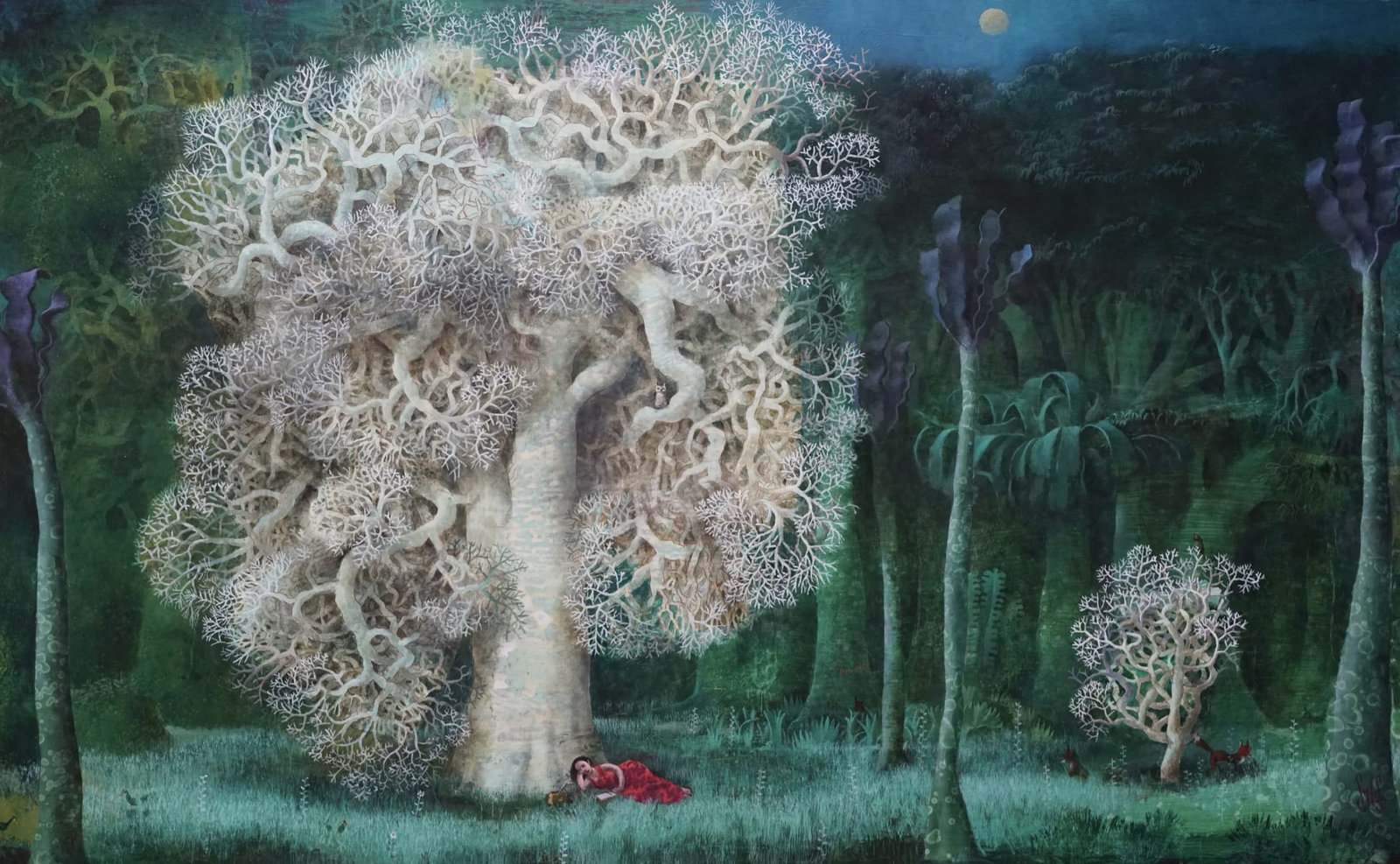
The exhibition “Journeys Into the Unseen Forest” by the French artist Sylvain Lefebvre is on at London’s Rebecca Hossack Art Gallery. In his paintings enormous trees tower over fairy-tale forests, and at the foot of the trunks tiny figures climb and rest. In “The Quercus Corallium” a white, densely branched crown shelters a reclining woman and glows like a ghost. In “A Debat at Tea Time” a conversation unfolds at a table beneath the canopies.

The technique is unusual. Lefebvre paints in oil, acrylic and ink on hand-marbled paper pasted onto canvas. The marbled patterns under the layers of paint are meant to convey what is barely visible or unknown. The formats are large, 100 or 120 by 160 cm. The titles sound like Latin names of undiscovered species, such as “The Castellum Zébraé” or “The Salix Pardus Caeruleus”.

Behind the fairy tale lies a real unease. The summer of 2026 was the hottest on record in France, and Europe is warming faster than any other continent. The artist wonders why nature always looks balanced, even though trees grow crooked, even horizontally, competing for light. The exhibition runs until 23 December.

04

Le Sarto: an Art Deco chalet as if from a 1940s French film.

Le Sarto: an Art Deco chalet as if from a 1940s French film.

Source: Wallpaper*

Interiors and design — Le Sarto: an Art Deco chalet as if from a 1940s French film

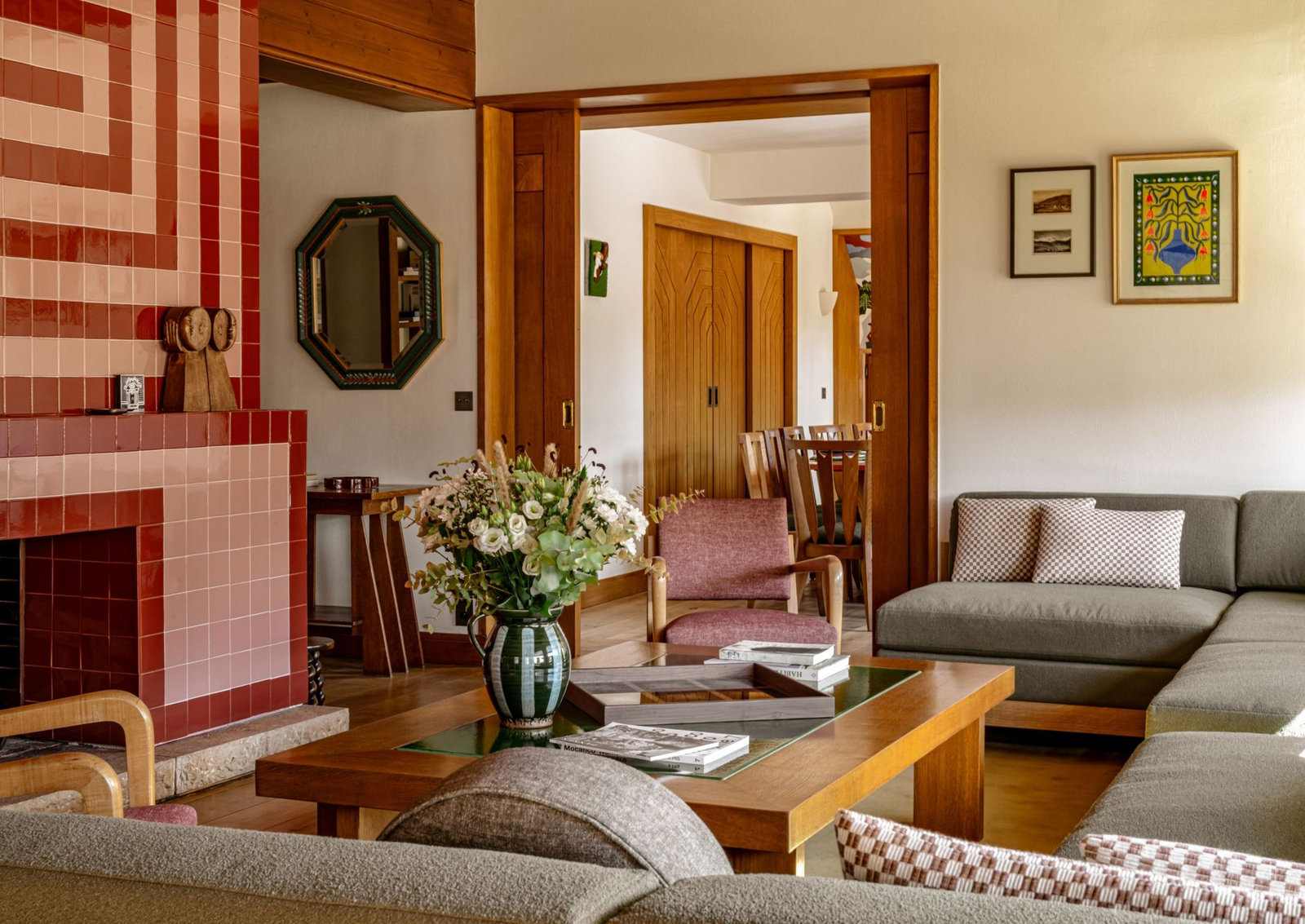
In Megève stands Le Sarto, a private chalet designed between 1941 and 1943 by Henry Jacques Le Même. The building has 650 m² and is one of the most successful examples of the “chalet du skieur”. Le Même created the concept with the winter lifestyle of the society of the day in mind. The renovation was carried out by Iconic House, and the interiors were designed by studio Claves. It was founded in 2022 by Laure Gravier and Soizic Fougeront, who had previously worked for Pierre Yovanovitch.

The designers reached back to the tradition of French decorative arts. They restored the façades in their original colours, the historic balustrades, the carved woodwork and the old hardware. Interiors are dominated by red, green and wooden panelling. The axis of the house is a spiral stair with an undulating wrought-iron balustrade, and a swirling wallpaper pattern repeats it. The same spiral motif returns in an armchair and a floor lamp.

The bedroom has deep-red tiles, and the bed is tucked into a niche in a wooden wall. It is a blend of mid-century modernism and a Renaissance cut. Among period furniture and vintage finds hang works by contemporary artists. The house also has a gym and two pools, indoor and outdoor.

05

Linde Freya Tangelder: furniture that takes architecture apart.

Linde Freya Tangelder: furniture that takes architecture apart.

Source: Dezeen

Interiors and design — Linde Freya Tangelder: furniture that takes architecture apart

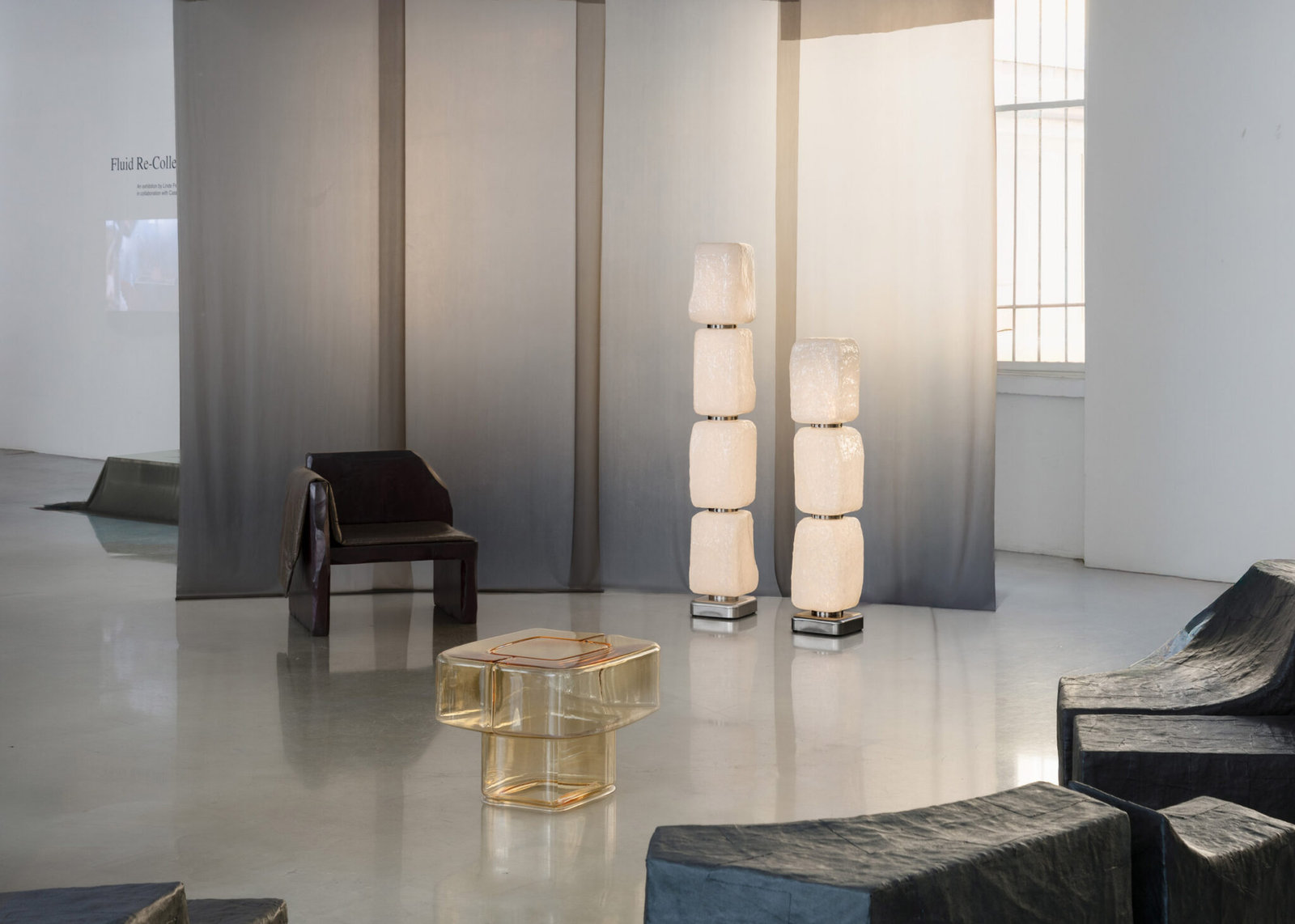
In the 20×20 series marking Dezeen’s 20th anniversary, the studio Nendo, that is Oki Sato, named the Dutch designer Linde Freya Tangelder as the designer who will most strongly influence the next two decades. Nendo praises her for an approach that is “at once extremely gentle and quietly bold”, and for the curiosity with which she takes architecture apart and puts it back together. Tangelder graduated from Design Academy Eindhoven in 2013 and soon afterwards moved to Belgium. Her studio is called Destroyers/Builders.

She herself says she does not think like a typical designer: function is never her starting point, and design as such rarely inspires her. She combines “poor” and “rich” materials. The Bolder chair resembles a column, the Windows of Bo Bardi table repeats the shape of the windows at SESC Pompéia in São Paulo, and the Brick’s Reflection Chair has a terracotta back. She has collaborated with Cassina since 2022, and this year she had a solo exhibition during Milan Design Week.

Her current obsession is cast and oxidised metal. She recently made a desk lamp in white bronze that sits “between a sculpture and a functional object”. She has already designed a chair for Dior and wants to move more strongly into fashion.

06

Aléa Work grows chairs underground.

Aléa Work grows chairs underground.

Source: designboom

Emerging visual trends — Aléa Work grows chairs underground

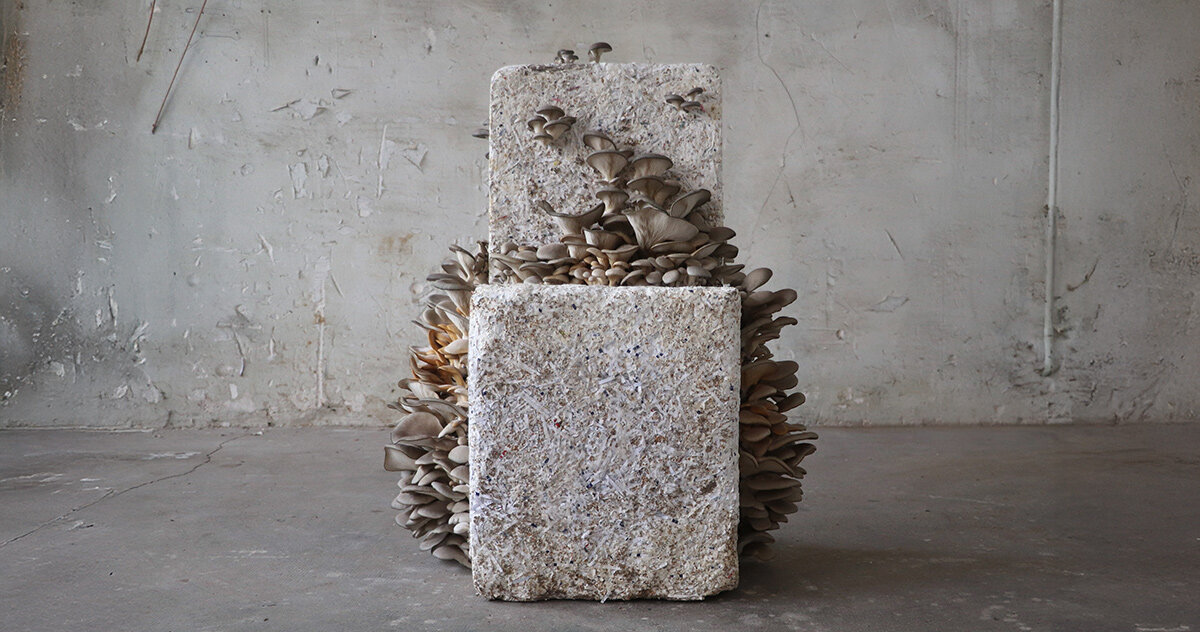
The Paris studio Aléa Work was founded in 2021 by Miriam Josi and Stella Lee Prowse, who met on the Nature-Inspired Design course at ENSCI-Les Ateliers. They work with mycelium and treat living organisms as co-authors of the project. In the “Back to Dirt” project they grow objects directly in the soil. That is how the “Dirty Chairs” came about, experimental chairs of mycelium and reclaimed materials. On one, upholstered in denim, oyster mushrooms sprout.

The most interesting discovery was an accident. A forgotten experiment showed that the fungi had begun to bleach dyed fabric and leave irregular patterns on it. From that came the project “Mycelial Patterns”, which the designers call “a negotiation between us and the fungi”. The studio’s name comes from the word “alea”, meaning chance, that which slips from control.

Since 2023 the duo has run The Garden Lab at Domaine de Boisbuchet, where they grew their first chair in the earth. They treat decay as a creative stage, not a failure. The designers caution, however, that biodesign is not automatically sustainable. This is an aesthetic in which form grows, fades and becomes overgrown.