17

[ DAILY ] · BB–D–261117

17 November 2026

Tuesday, 17 November 2026 / 6 stories

Art, interiors, photography, designers

01

Chöke: hanfu sleeves in denim and down.

Chöke: hanfu sleeves in denim and down.

Source: Dazed

Fashion and designers — Chöke: hanfu sleeves in denim and down

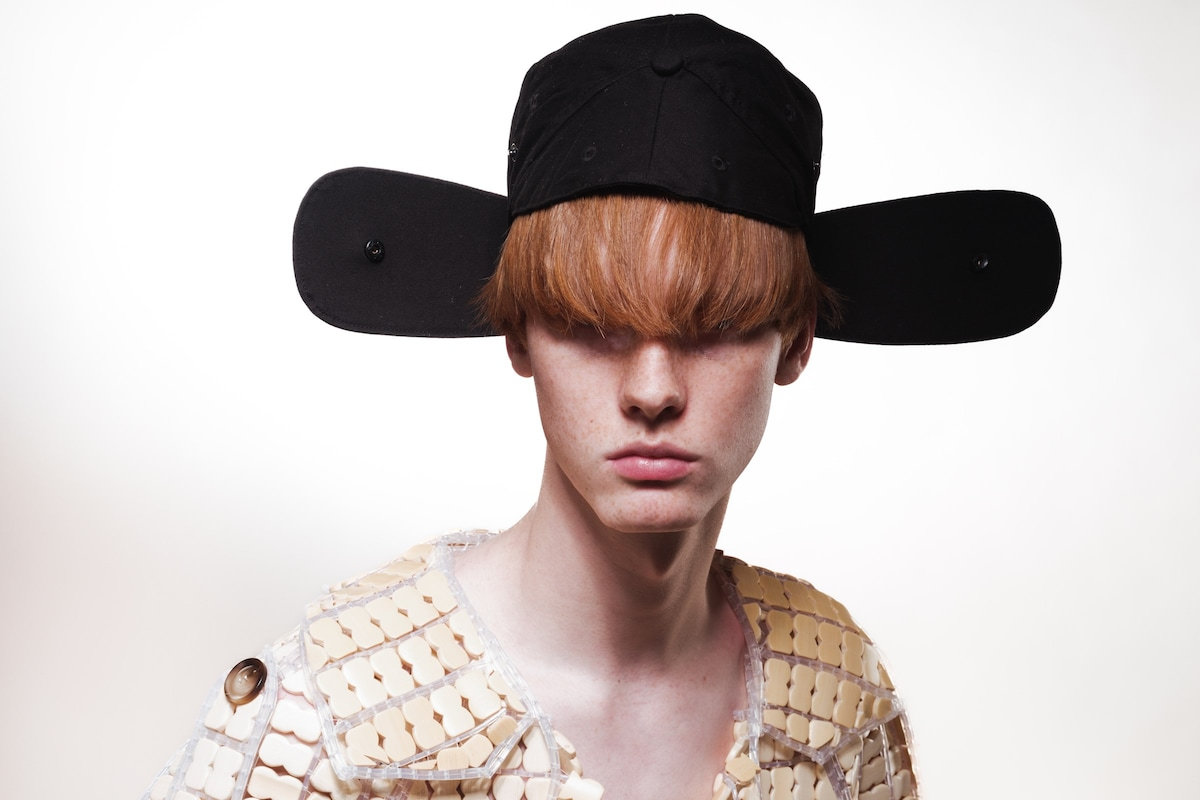
Chöke is a London brand founded by five young designers under the age of 25, who met at Central Saint Martins. The creative director is Neil Zhao, born in Australia and raised in Bergen, Norway; hence the “ö” in the name. It all began with a show at the Sarabande Foundation, where Zhao slipped tabi into flip-flops and pinned large white buttons onto baseball caps. People wanted to buy them, so the brand was born of its own accord.

The latest collection, SS27, simply “Collection Five”, was made in collaboration with the London boutique LN-CC. It is Zhao’s return to his Chinese roots: the wide sleeves of the hanfu have been sewn so that they form a closed “O” loop that wraps the silhouette. Those historic forms were made from denim, leather, down-filled materials and Fair Isle sweater patterns. An installation inspired by a Chinese restaurant was set up in the shop, and the brand showed its first fragrance, with a note of Sichuan pepper.

Zhao says that Chöke always combines things that already exist: an old silhouette with a modern garment, a tyre remade as a bag. This is conceptual tailoring with a sense of humour, not just another streetwear label.
02

Zen and the art of winter foxes.

Zen and the art of winter foxes.

Source: Colossal

Photography — Zen and the art of winter foxes

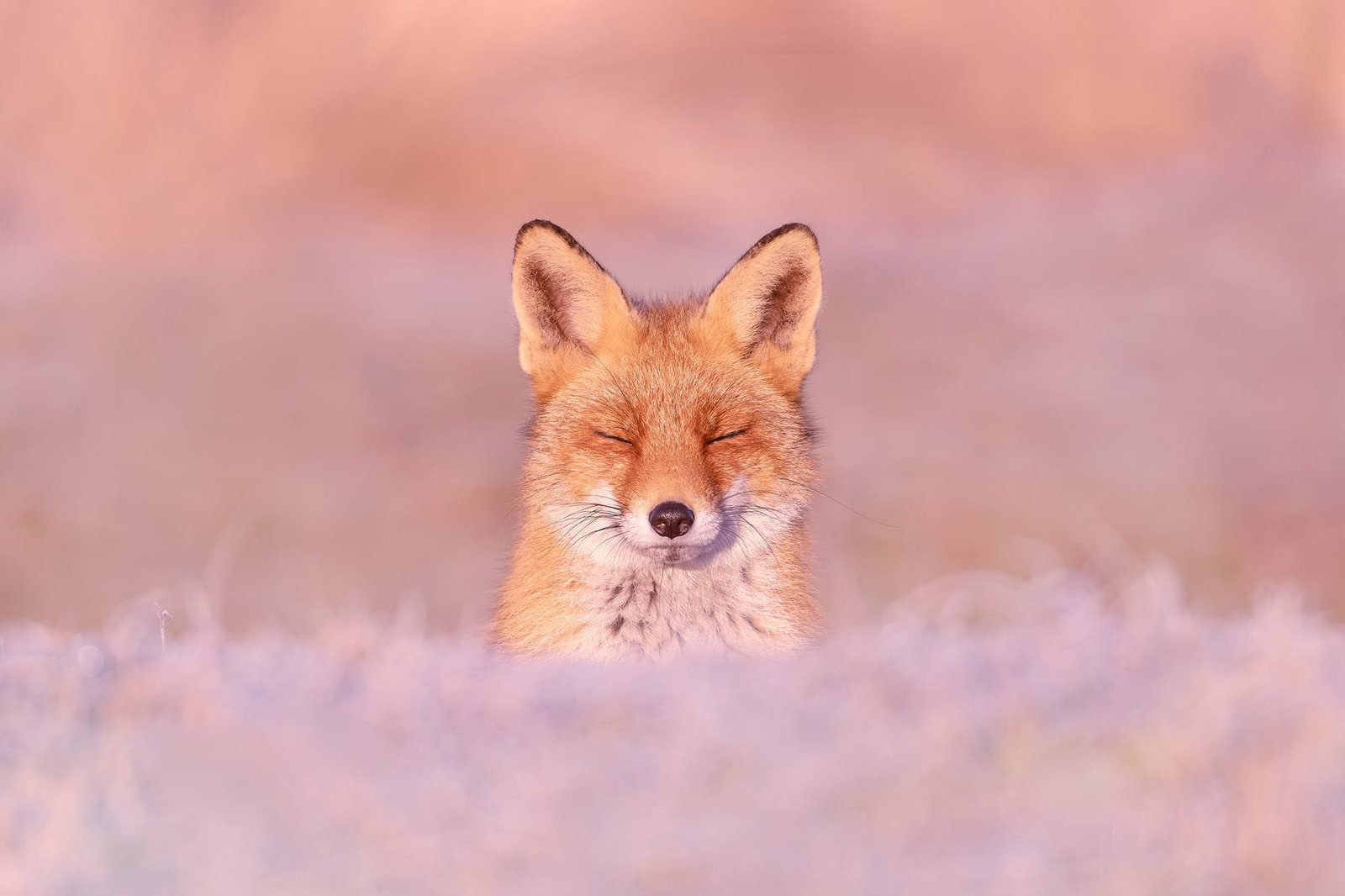
Photographer Roeselien Raimond’s series “Zen & The Art of Winter Foxes” is surprisingly soothing this winter. The animals doze on the snow, squint in the low sun and rest in soft, pastel landscapes that look more like painting than nature reportage.

It all began with an encounter with a vixen in a blizzard. Raimond tells Colossal that despite the frost she felt complete calm then. From that moment the project has been a personal story about the relationship between nature, photography and inner quiet. It also refers to the Zen paradox of desire: the more you look for something, the harder it is to find.

Visually it is a lesson in minimalism: a single russet accent against a pink-lilac mist of snow, a shallow depth of field, frames built of air. It is a good antidote to November grey.

03

Dan Flavin lights up the Guggenheim Bilbao.

Dan Flavin lights up the Guggenheim Bilbao.

Source: Wallpaper*

Contemporary art — Dan Flavin lights up the Guggenheim Bilbao

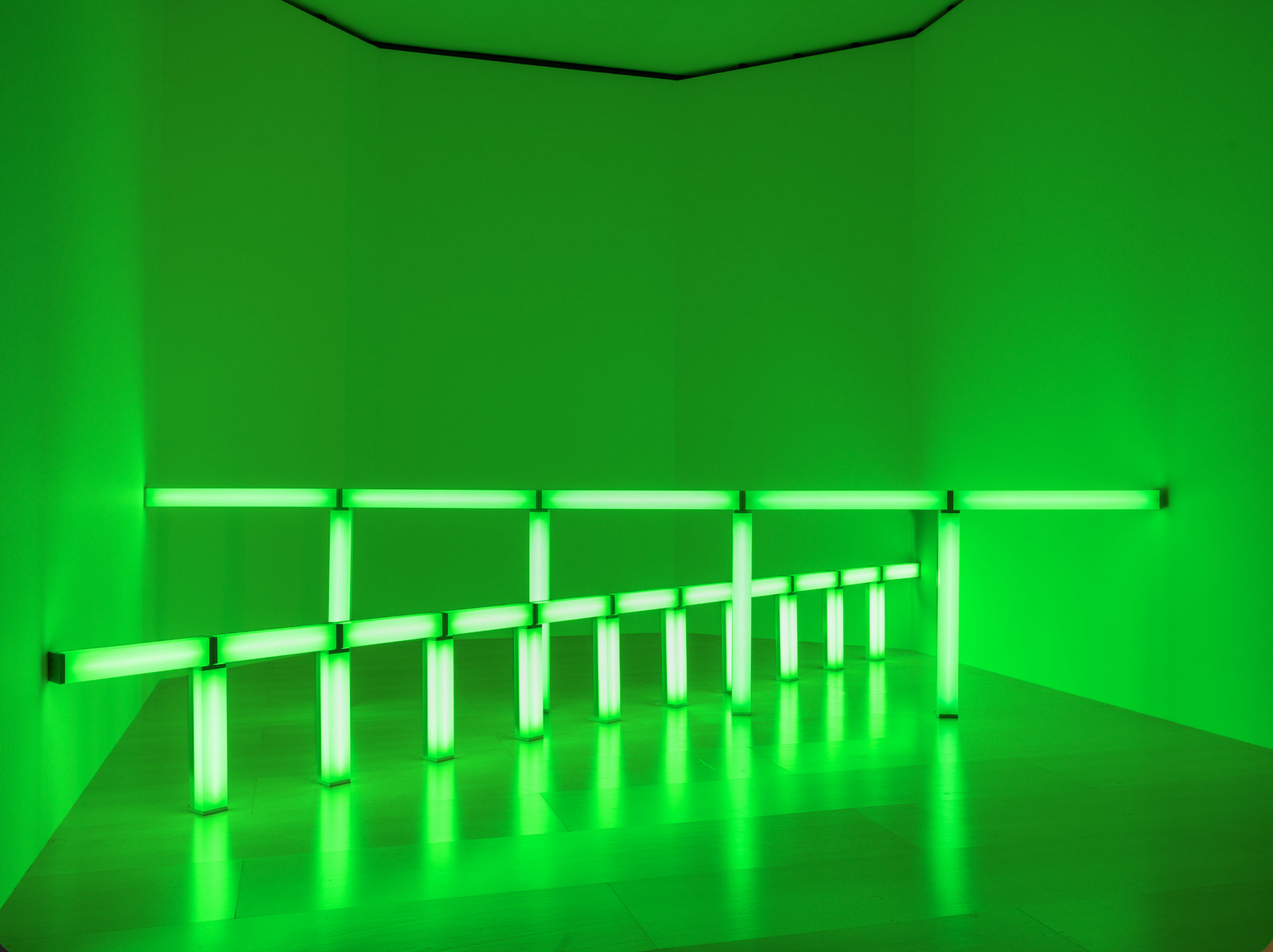
The exhibition “Dan Flavin: Some Light” is on at the Guggenheim Bilbao until 4 April 2027. The American minimalist’s bare fluorescent tubes, set in pairs, in grids, at an angle or laid on the floor, enter into a dialogue with Frank Gehry’s undulating architecture. Flavin did not call his works sculptures, only “proposals” or “situations”. He used only standard fluorescent tubes in four lengths and a limited range of colours.

The exhibition begins with early works in white light, then moves to the cycle “Corners, Barriers and Corridors”, in which colour dissolves the walls of the rooms. One of the high points is “greens crossing greens (to Piet Mondrian who lacked green)” from 1966. Most of the works come from the Guggenheim’s collection, which acquired a large part of the Panza collection and spent a decade studying how to install them according to the artist’s intention. The exhibition also includes certificates on graph paper that allow burnt-out tubes to be replaced.

Wallpaper* also recalls a little-known story: Flavin once worked in the mailroom of the Guggenheim in New York and carried plans between the museum and Frank Lloyd Wright’s office. Years later he filled Wright’s rotunda with light.

04

Lemon revives the Victorian parlour.

Lemon revives the Victorian parlour.

Source: Wallpaper*

Interiors and design — Lemon revives the Victorian parlour

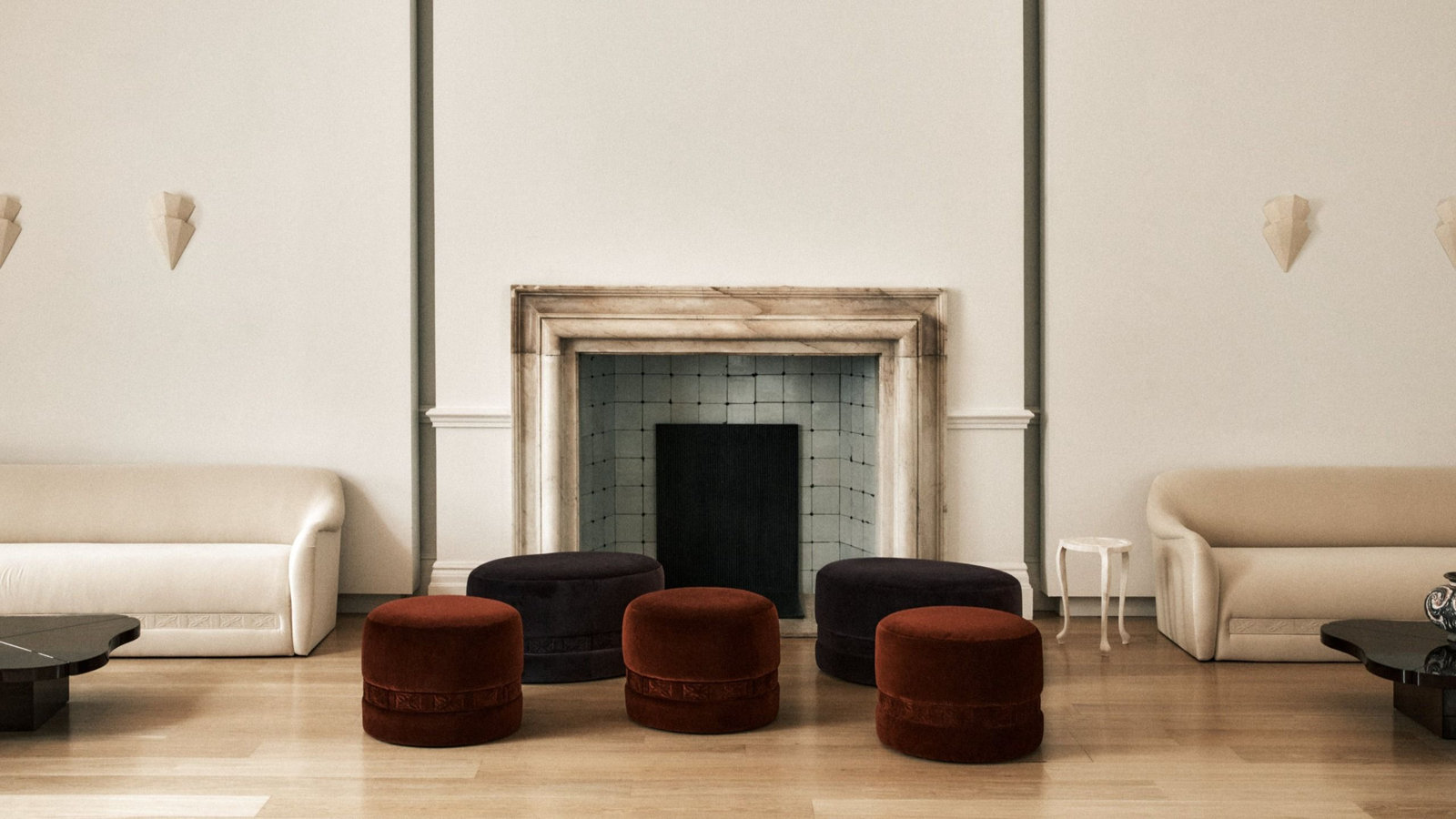
The parlour was a Victorian “Sunday” room in which a family showed guests its best furniture. It has almost disappeared from today’s homes. Studio Lemon, of Cape Town and Amsterdam, founded in 2007 by Kevin Frankental and Jaco van Staden, made it the subject of its first British presentation. For one day it turned two rooms in the former house of the painter Sir John Lavery in South Kensington, in a listed townhouse from 1858, into a contemporary version of the parlour.

The collection was made almost entirely in Britain and Ireland. Frankental’s “Josef” desk, with velvet-lined drawers, is a homage to Josef Hoffmann. Yaniv Chen’s round “Haines” table evokes Hollywood Regency, and the “Ventola” wall lights have Leavers lace from one of the last British manufacturers. The “Palladian” sofa has a raised floral pattern, embossed by pressing the fabric against a 3D-printed panel.

The furniture looks new and strangely familiar at once. Frankental says that balance is the hardest part. This is an intimate, warm luxury built on craft, not on nostalgia.

05

luxury drawn by hand against AI.

luxury drawn by hand against AI.

Source: Vogue Business

Emerging visual trends — luxury drawn by hand against AI

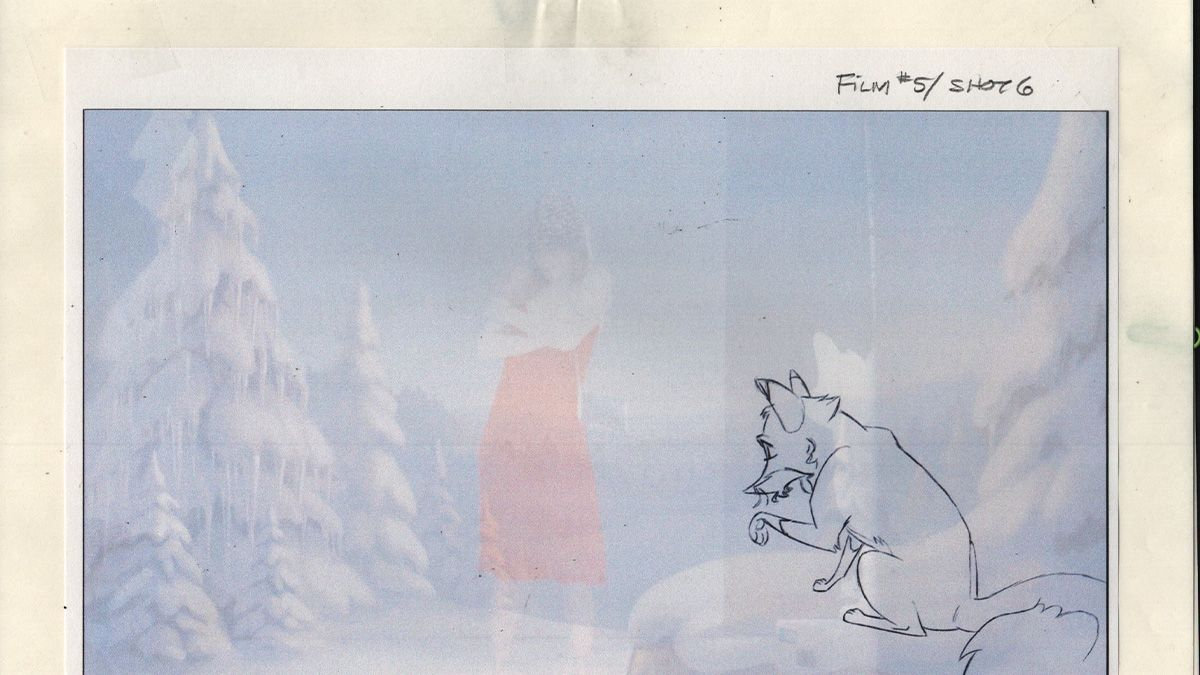
This year’s holiday campaigns from luxury brands share a motif: the human hand. Prada showed “Drawing Prada: Animated by Hand” under the creative direction of Miuccia Prada and Raf Simons. The live-action photography was by Glen Luchford, and the hand-drawn foxes, mice and bats were created by a team of animators led by John Pomeroy, known for “Pocahontas” and “Fantasia 2000”. Dior commissioned a film from Sylvain Chomet, Loewe turned to Tim Burton’s original drawings for “The Nightmare Before Christmas”, and Rimowa built miniature worlds by hand from clay, paper, felt and wood.

According to Vogue Business, brands are showing in this way that human creativity stands behind them. Industry figures speak of a reaction to the anxiety provoked by AI and to “the sameness of digital worlds”. There is criticism too: this is “effort signaling”, even “humanwashing” after a year of layoffs. Prada’s film had more than 3.6 million views on YouTube. One of the most popular comments says that handmade art will become a luxury status symbol in the age of “AI slop”.

This is a trend worth watching: imperfection, the drawn line and process once again have value in fashion’s aesthetic.

06

Vhils and Marcelo Cidade wrap a townhouse in silver.

Vhils and Marcelo Cidade wrap a townhouse in silver.

Source: designboom

Art in the city — Vhils and Marcelo Cidade wrap a townhouse in silver

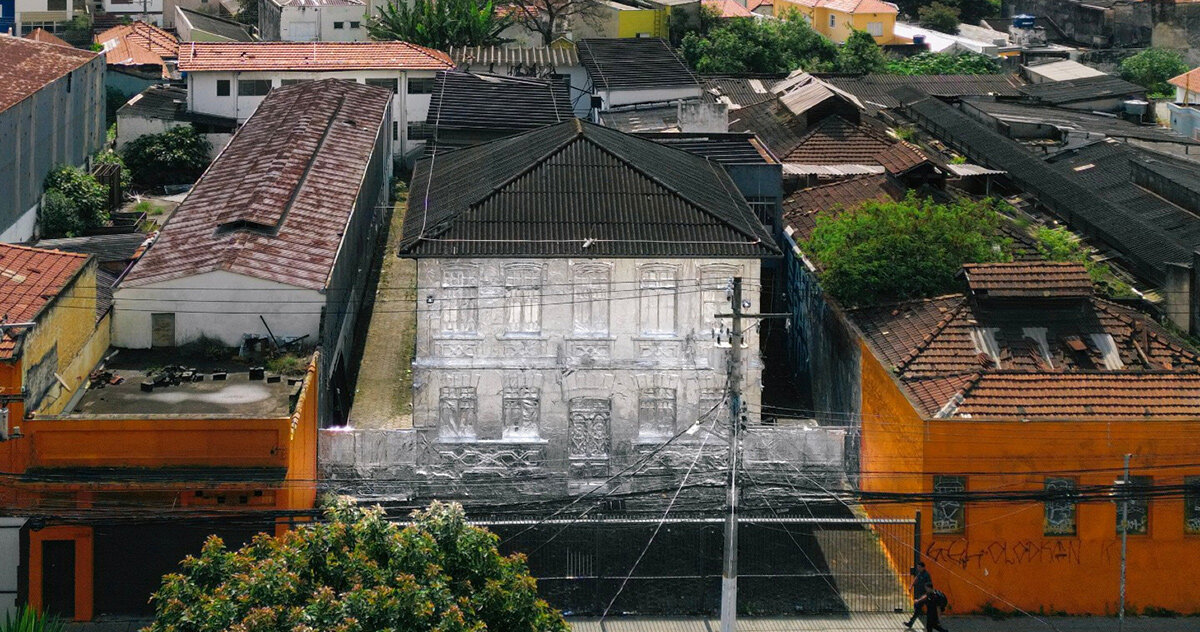
The Portuguese artist Vhils (Alexandre Farto) and the Brazilian Marcelo Cidade have worked together for the first time. In the Pinheiros district of São Paulo they covered the façade of an old building with reflective thermal foil. The work is called “2878”, after the address on Rua Cardeal Arcoverde. The sheets were glued with corn-starch adhesive, so the silver skin closely follows the shape of the windows and details, and depending on the sun the building either shines or reflects the street in broken patches.

The building has a telling history. Documents from 1945 indicate that a tuberculosis clinic operated here, and later it housed the headquarters of a state agency for fighting endemic diseases. The silver foil is associated with an emergency blanket: it both protects and conceals. The artists show how familiar buildings disappear from collective memory, even as they still stand in place.

It is a striking, temporary and highly photogenic intervention, on the border of land art, architecture and the street archaeology for which Vhils is known through the portraits he carves into walls.