15

[ DAILY ] · BB–D–261115

15 November 2026

Sunday, 15 November 2026 / 6 stories

Art, interiors, photography, designers

01

The label as a love letter: fashion is hiding secrets in the lining again.

The label as a love letter: fashion is hiding secrets in the lining again.

Source: Vogue

The label as a love letter: fashion is hiding secrets in the lining again

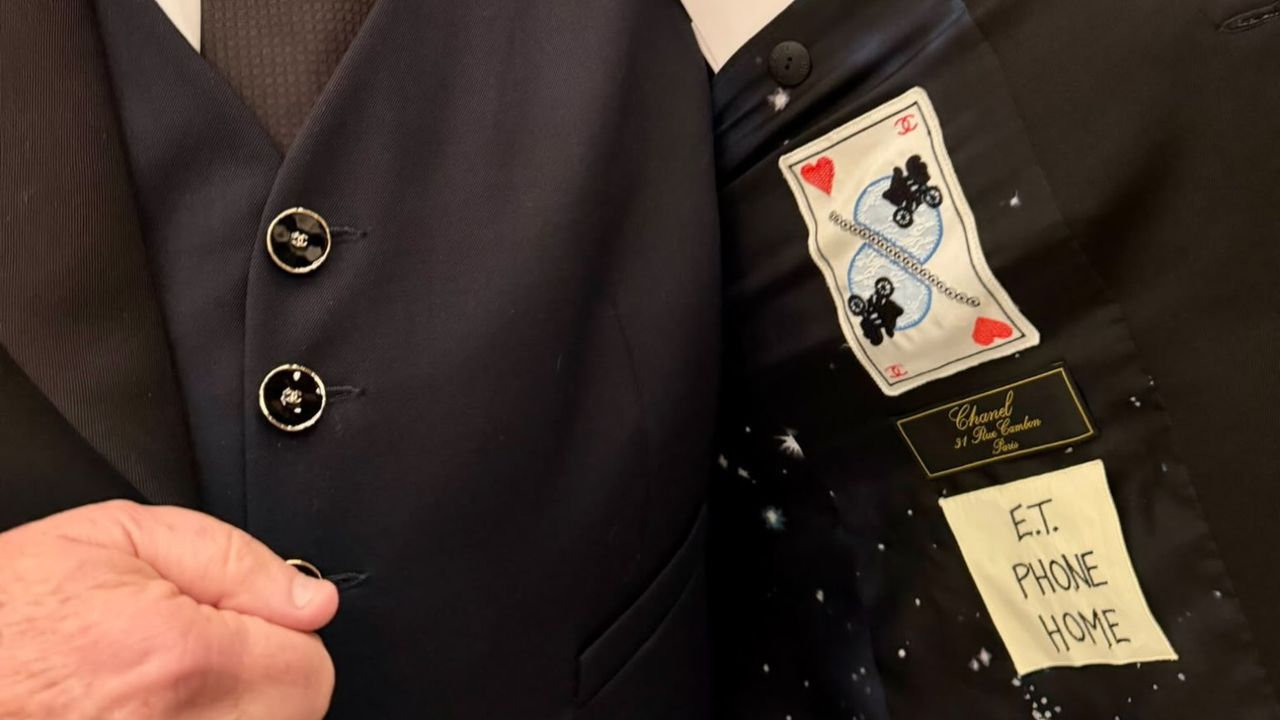
At MoMA’s film gala Steven Spielberg showed the inside of his made-to-measure Chanel jacket by Matthieu Blazy: under the classic black tailoring was a lining of galactic speckles, an embroidered playing card with E.T. on a bicycle and an “E.T. PHONE HOME” patch. Vogue sees this as part of a wider phenomenon. For his couture debut for spring 2026, Blazy asked the models for something personal, for example a love letter, a birthday or a lucky symbol. The Lesage atelier turned those keepsakes into embroideries hidden in the clothes and into little silk notes slipped into transparent bags.

The article recalls that such gestures have a history. Alexander McQueen sewed locks of his own hair into the linings of his 1992 graduate collection. Today a new generation is returning to the characterful label. Sofia Testino designs woven labels with crests and the motto “Style, Quality, Value”; Oscar Ouyang makes a lamb his signature; and Ellie Misner hand-embroiders the names of clients such as Raye and Tems above her own signature.

It is a quiet opposite of impersonal branding minimalism: the most precious detail of a garment is seen only by the person who wears it.
02

Maria Quigley: Russia recorded straight from grandmother’s television screen.

Maria Quigley: Russia recorded straight from grandmother’s television screen.

Source: 1854 / British Journal of Photography

Maria Quigley: Russia recorded straight from grandmother’s television screen

Maria Quigley’s grandmother survived the siege of Leningrad as an infant, which left her deaf in one ear. Today she lives in a small Soviet-era flat on the outskirts of St Petersburg and watches television in headphones so loudly that it can be heard through the wall. Quigley was born in St Petersburg in 1995 and at the age of five left with her mother for London. After the escalation of the war in Ukraine she began to wonder how ideology enters homes through the media.

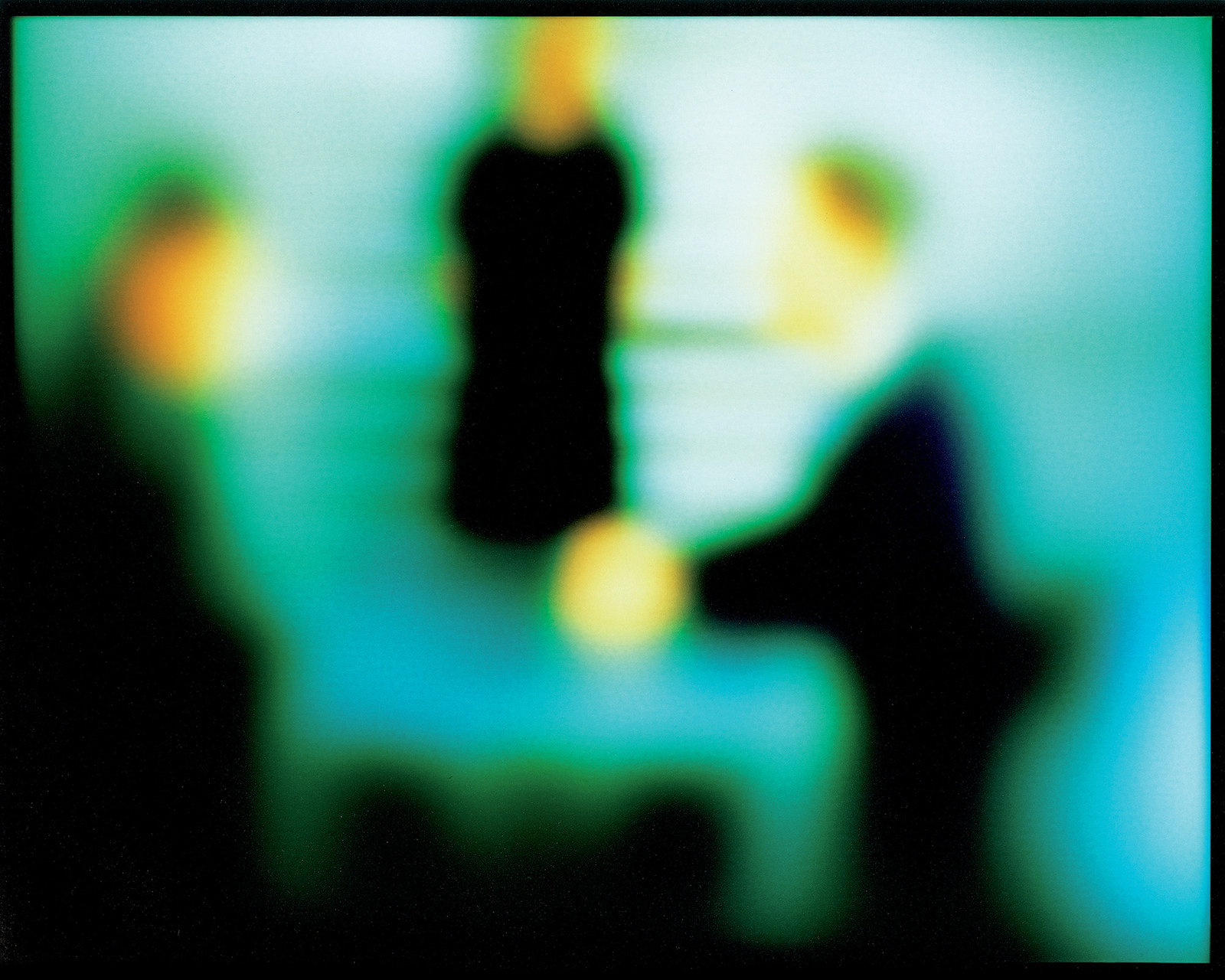
Her method is simple and radical. In a darkened childhood room she holds photographic paper directly against the screen of an old television and follows her grandmother’s schedule: films, spy series and quiz shows circled in the newspaper. One print takes about 30 minutes, and so far more than 600 have been gathered.

Blurred, luminous patches of colour make up the project and photobook “Eighteen Moments of Spring”, published by GOST. The title refers to a 1973 series in which archival wartime footage mixed with fiction. Quigley writes about “prosthetic memories” — memory supplied by screens — and wants to keep making prints until the end of the war.

03

Rune Bosse puts trees on a respirator.

Rune Bosse puts trees on a respirator.

Source: designboom

Rune Bosse puts trees on a respirator

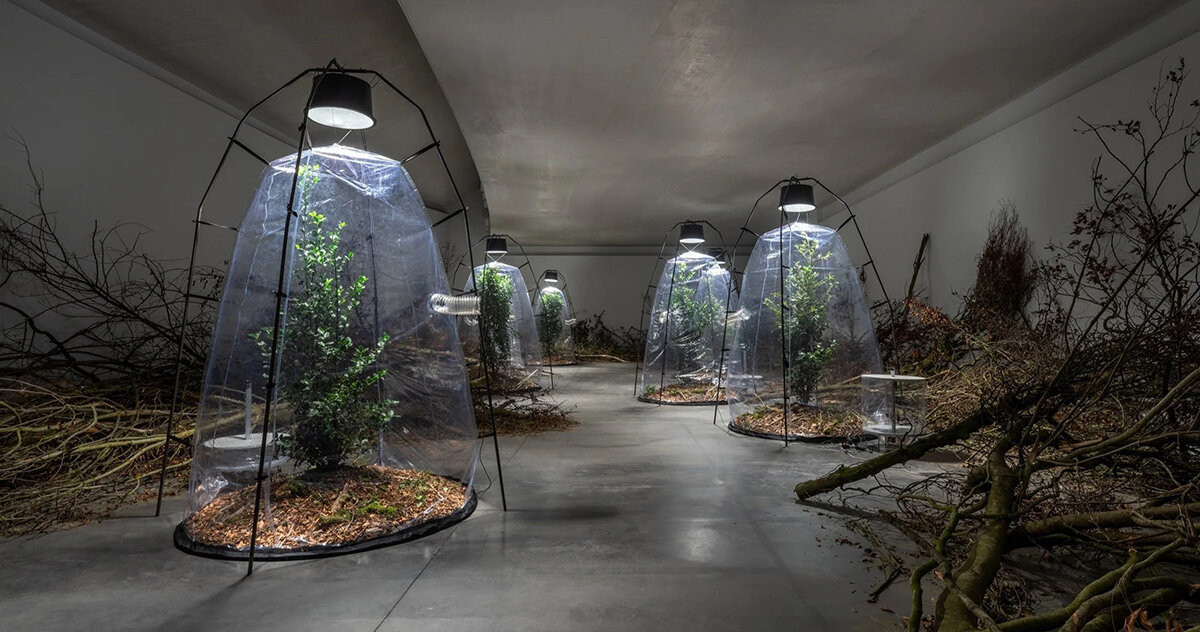
The Danish artist Rune Bosse showed “Lung Trees” at the Danish Architecture Center in Copenhagen, as part of the exhibition “Age of Nature”, which ran until September 2026. Each living tree stands in a transparent, inflated plastic sheath, surrounded by machines and artificial light. It looks like an intensive-care ward moved into a forest, or a forest moved into intensive care.

The work reverses the familiar metaphor of forests as the planet’s lungs. Here it is the trees that need mechanical support in order to survive. In a related work, “Lungetræ / Lungenbaum”, at Berlin’s Neue Nationalgalerie in 2025, a respirator regularly pumped air under a PVC membrane that inflated and fell around the tree like a gigantic lung.

Bosse studied at the Royal Danish Academy of Fine Arts, as well as forestry and nature management. At the Oremandsgaard estate he runs an outdoor laboratory in which he shapes growing trees over years. He has been developing the project since 2019, and it still works through its simplicity: a tree in a plastic chamber and a machine that breathes for it.

04

A sauna in which architecture dissolves into the forest.

A sauna in which architecture dissolves into the forest.

Source: Dezeen

A sauna in which architecture dissolves into the forest

In a forest in Kanagawa Prefecture, southwest of Tokyo, studio Daichi Inc has built the Daichi Silent River Tree Sauna. It is part of the Daichi Silent River resort, which also has guest cabins and other saunas. The project made the shortlist of the Dezeen Awards 2026 in the Leisure and wellness category.

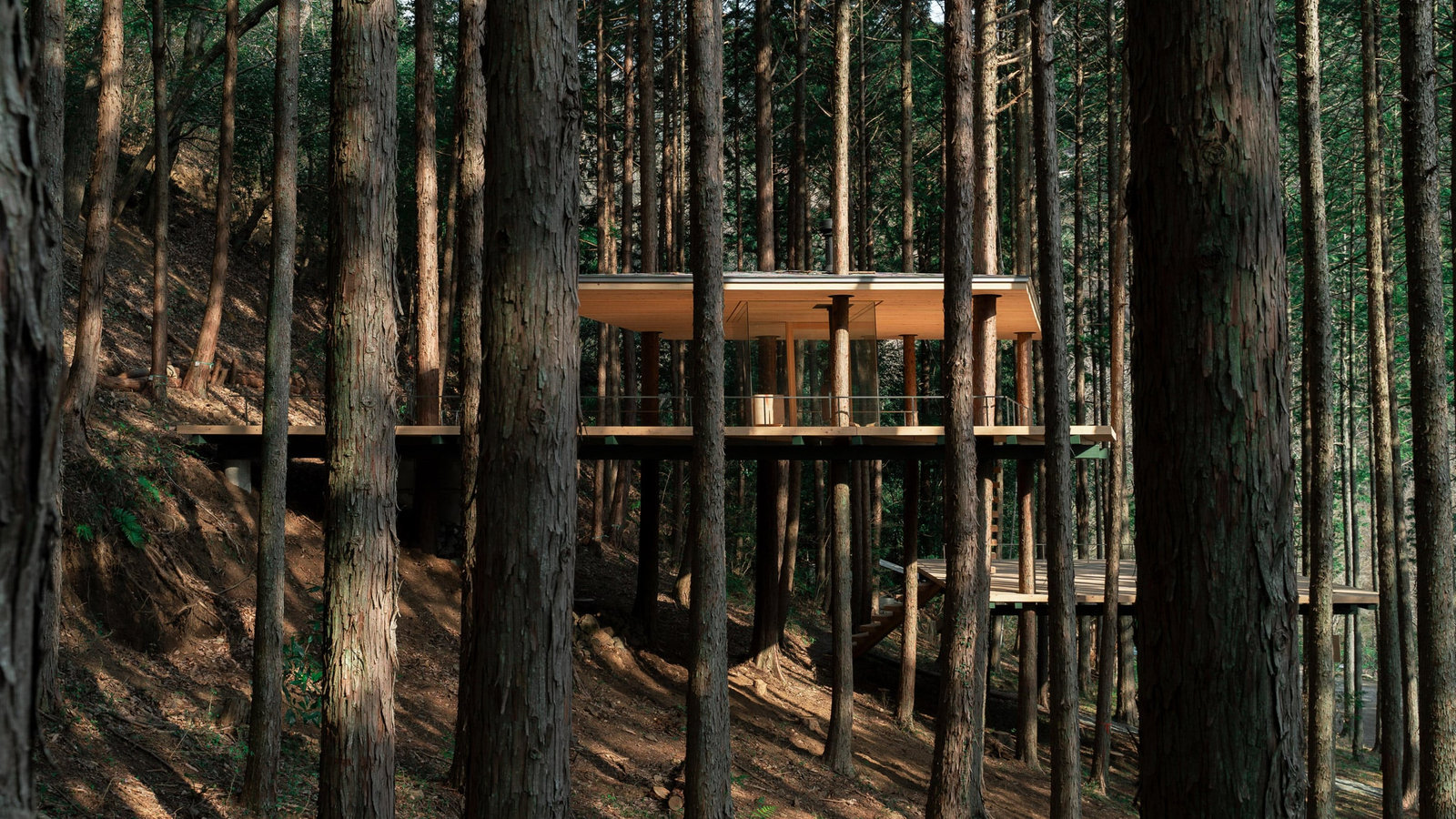
Instead of cutting down trees and turning them into standardised material, the architects left them in place and made them the structure. Two slender, storeyed wooden terraces and a roof rest on timber grids supported by the trunks, and circular openings in the boards allow the trees to keep growing. The middle platform lies partly on a natural slope. On the highest level stands a sauna in frameless sheets of glass, with a wooden bench and a wood-burning stove at the centre. Apart from it and a small cooling pool, the terraces are entirely open, sheltered only by thin metal railings.

According to the studio, people are meant to feel “as if they were dissolving into the forest”. Wood, glass and living trunks form here a single, almost invisible structure.

05

Bianni: wool remnants woven with paper that glow like stained glass.

Bianni: wool remnants woven with paper that glow like stained glass.

Source: Dezeen

Bianni: wool remnants woven with paper that glow like stained glass

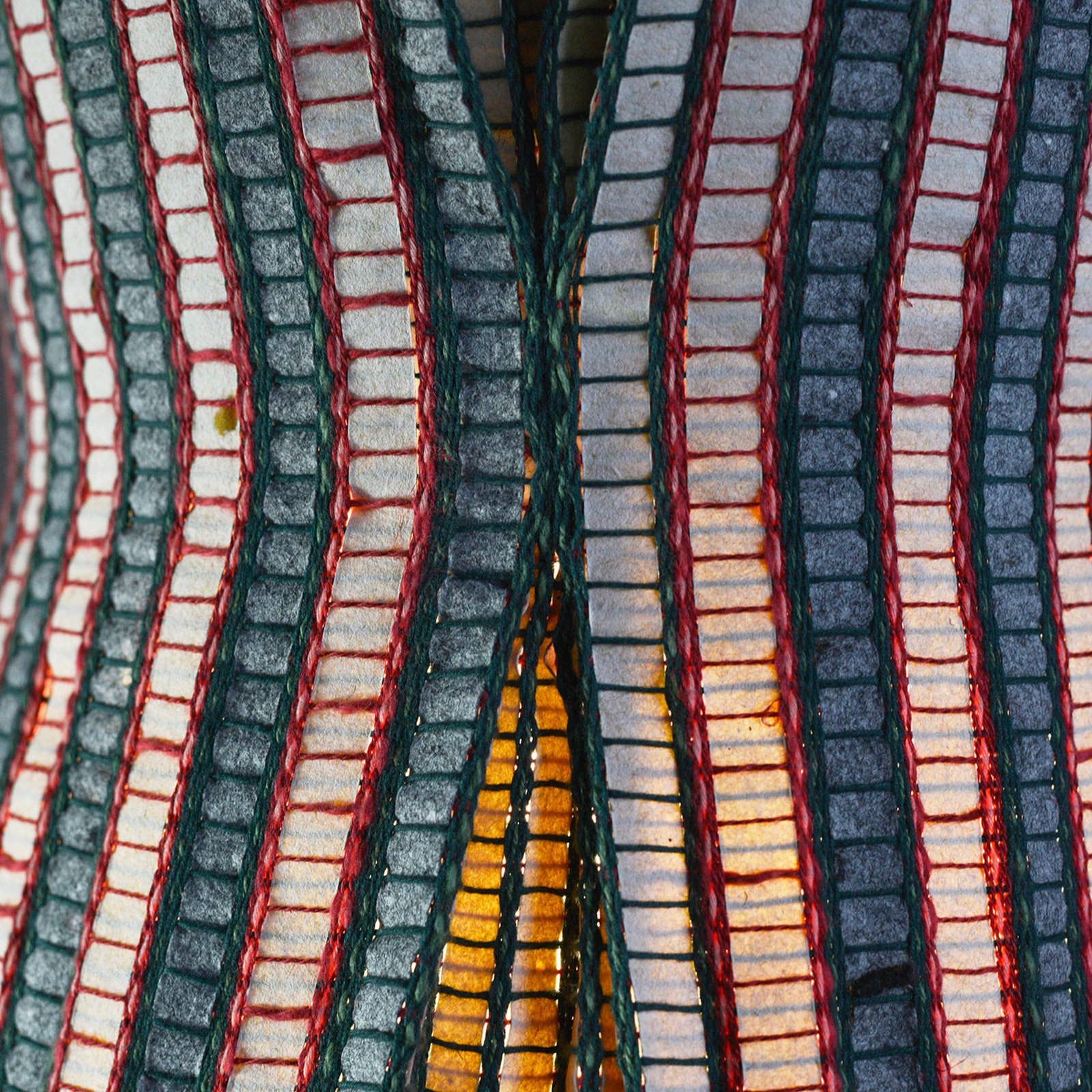
The Mexican studio Arudeko has developed Bianni, a paper-like material made from coloured waste wool. The wool comes from offcuts of handwoven rugs and cushions produced by weaving communities in Teotitlán del Valle in Oaxaca. The artisans first work the dyed wool on a treadle loom, then with cotton threads weave in strips of recycled paper from local papermakers.

The result is a semi-transparent, flexible cloth from which one can make lampshades, headboard panels, screens and pictures for the wall. “The light revealed colours hidden in the paper, almost like a secret waiting to be discovered,” says studio co-founder and CEO Denisse Arnaiz. It was that transparency that steered the project towards lighting. The material has no additives, and the wool gives the paper flame resistance.

Bianni neatly captures a growing trend: waste materials that do not pretend to be something else, but show their origin — the rhythm of the loom, earthy dyes and the memory of craft.

06

Photobooks of 2026: a father’s passport photograph in three hundred incarnations.

Photobooks of 2026: a father’s passport photograph in three hundred incarnations.

Source: Aperture

Photobooks of 2026: a father’s passport photograph in three hundred incarnations

Paris Photo and Aperture have announced the winners of the PhotoBook Awards 2026. The jury of Justine Kurland, Pablo Larios, Chiara Bardelli Nonino, Lou Stoppard and Ferdinando Verderi deliberated in Paris on 12 November. A record number of books from 56 countries were submitted.

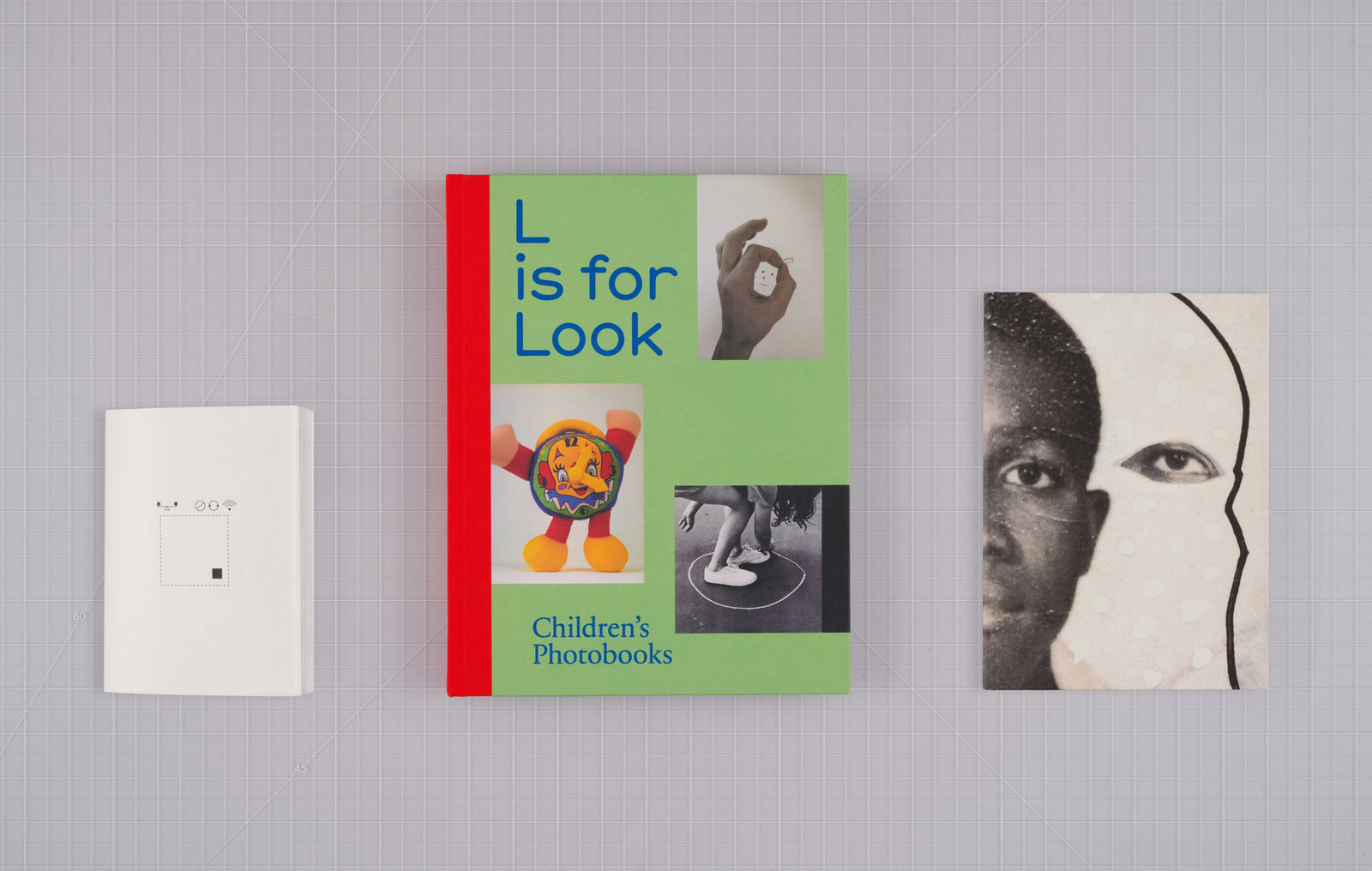
Photobook of the Year was “Passports, 2012–2025” by Keisha Scarville (MACK). Since 2012 the artist has been reworking a photograph from her father’s first passport, taken when he was sixteen and living in Guyana. She alters each reproduction with paint, beads or collage from magazines, and already has three hundred unique works. The debut prize went to the self-published “Notation(s)” by Moeko Ishiguro: a book without traditional pagination, made of layers and folds that have to be uncovered like a sculpture. It is the size of a smartphone and is conceived as a response to mindless scrolling. Catalogue of the Year was “L Is for Look: Children’s Photobooks” (Spector Books), and a jury mention went to Sara Bennett for “Looking Inside: Women with Life Sentences”.

An exhibition of the 35 shortlisted books can be seen at Paris Photo until 15 November, and in December it will travel to Dublin for PhotoIreland.