14

[ DAILY ] · BB–D–261114

14 November 2026

Saturday, 14 November 2026 / 6 stories

Art, interiors, photography, designers

01

Simon Carle: clothes that are fragile and predatory at once.

Simon Carle: clothes that are fragile and predatory at once.

Source: i-D

Simon Carle: clothes that are fragile and predatory at once

i-D introduces Simon Carle as a new fashion star. He grew up in a small town near Stuttgart and as a teenager secretly tried on his mother’s wedding dress, then photographed his outfits composed of household objects. Today he works at Maison Margiela, where he co-created John Galliano’s porcelain-doll Artisanal collection of 2024. He himself says that only working on it helped him recognise his own aesthetic.

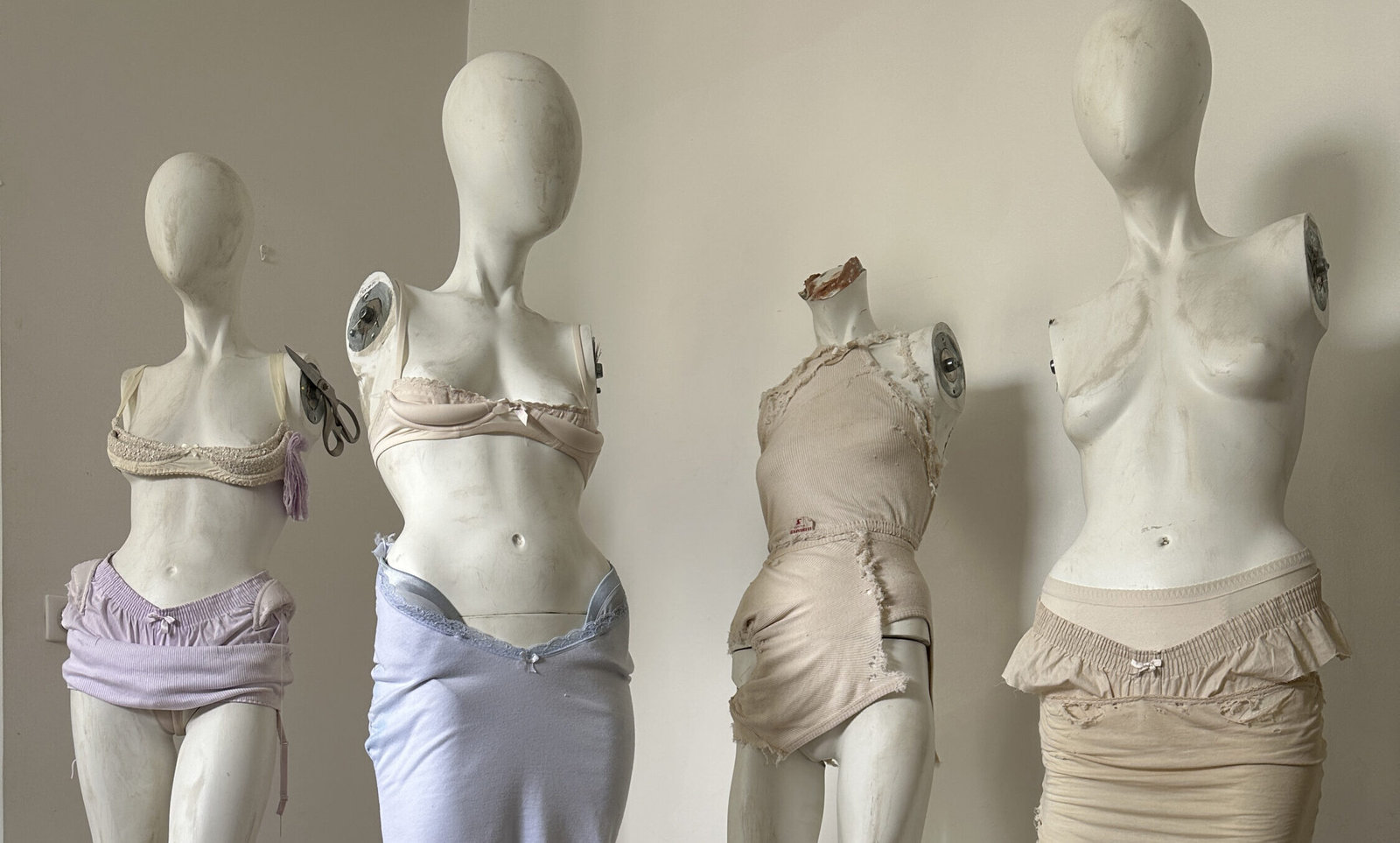
Outside the atelier Carle is building a world of his own on the border of dress and sculpture. He sews dresses from rejected materials, miniature collections for dolls and strange little horses from fabric scraps. He also makes clothes from temporary tattoos that disappear after a single wearing. His designs have been worn by Tyla, Charli xcx and Rosalía, and he applied one of those “tattoo” looks to Tyla himself in a hotel room.

The most interesting thing is the tension in the work: lace, transparent layers and exposed skin beside worn textures and sculptural forms. “There is brutality and pain in it, but also a very delicate side,” the designer says. He would rather experiment with new media than produce four collections a year.
02

Paris Photo 2026: from Fukase to Sassen and Szabo.

Paris Photo 2026: from Fukase to Sassen and Szabo.

Source: Dazed

Paris Photo 2026: from Fukase to Sassen and Szabo

The Paris Photo fair has opened at the Grand Palais: 246 exhibitors from 38 countries, and alongside them publishers, book signings and talks. Dazed chose the stands not to miss. Among them is Merry Alpern’s 1993 series “Dirty Windows”, a nightclub window watched from a loft near Wall Street. Michael Hoppen is showing works by Masahisa Fukase from the 1960s to the 1990s, and Berlin’s Kominek photographs from “Frau Holle”, a book by Viviane Sassen and Emmeline de Mooij about the bodily experience of femininity and desire.

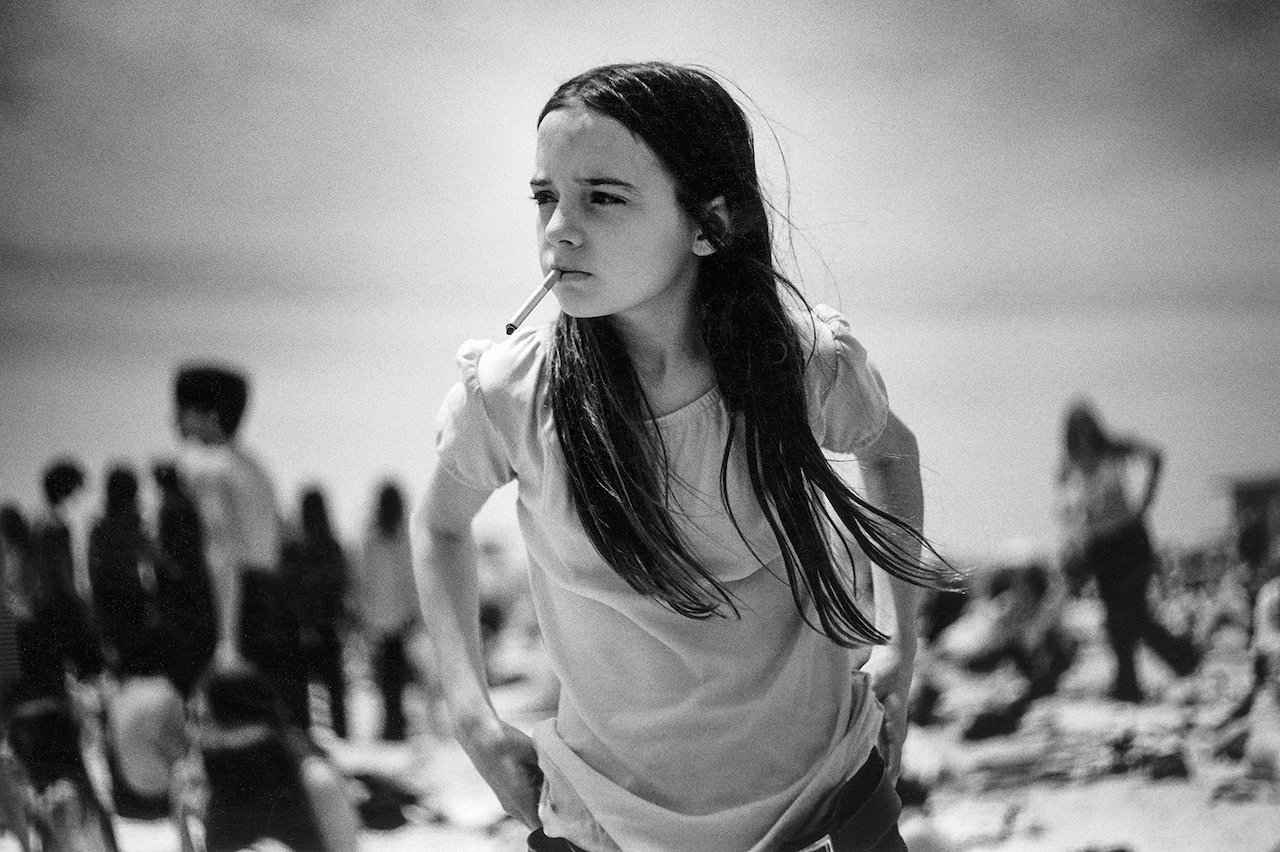
The illustration shows Joseph Szabo. For more than 25 years this photography teacher portrayed his high-school students, from the 1960s to the 1990s, with all the drama and tenderness of the teenage world. Jackson Fine Art’s presentation coincides with the launch of the monograph “American Teen” (MACK and Important Flowers), edited by Sofia Coppola.

The selection also includes Silina Syan’s “Made in Bangladesh”, on mixed heritage and ornament, and the archive of Ricardo Martínez Paz. This Argentine arrived in Paris in the 1970s and photographed the glamour of fashion and nightlife.

03

Sascha Braunig: femininity on a stage of tentacles and light.

Sascha Braunig: femininity on a stage of tentacles and light.

Source: Vogue

Sascha Braunig: femininity on a stage of tentacles and light

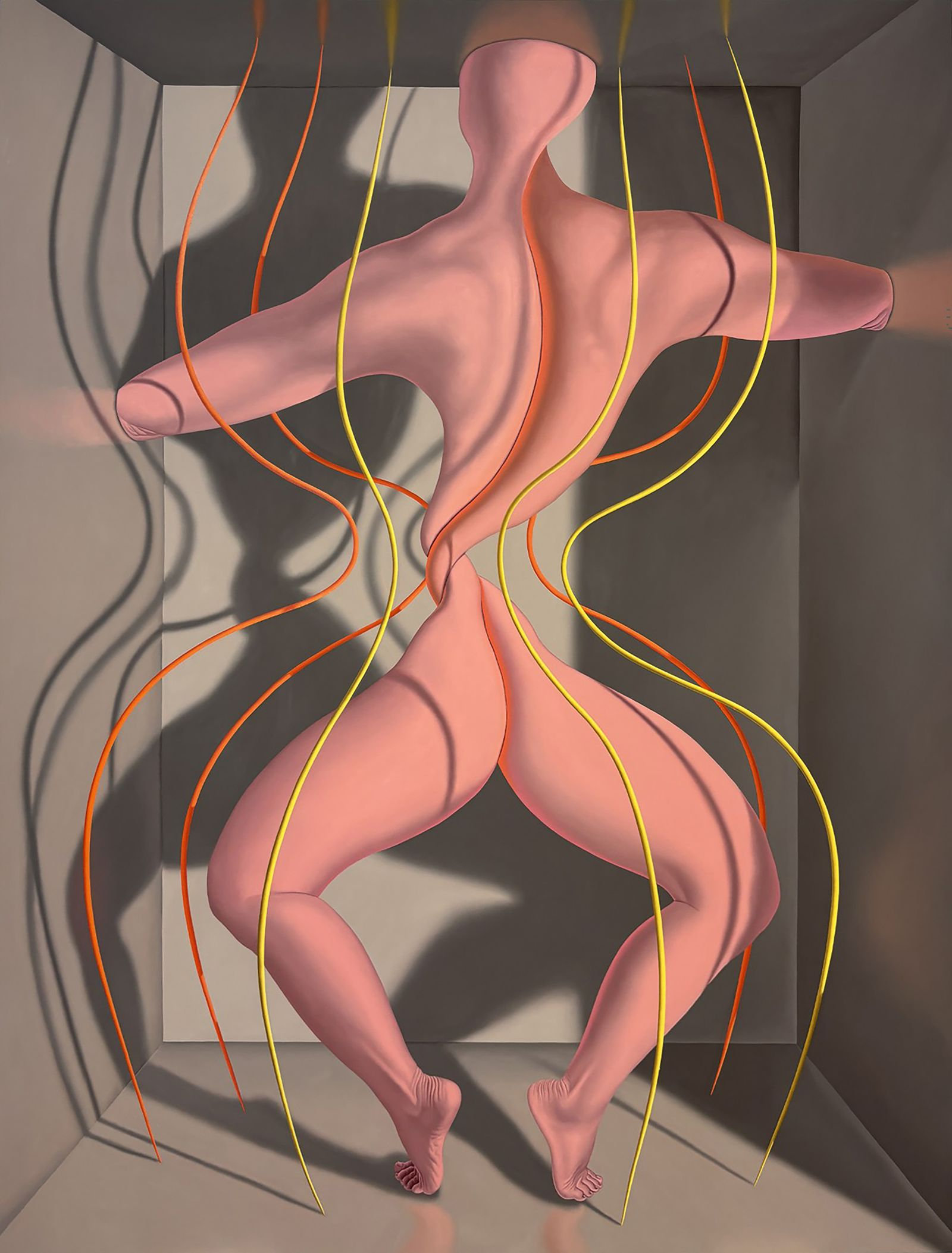
Sascha Braunig’s paintings are smooth, candy-coloured and gleaming, and at the same time unsettling. They depict luminous heads and torsos wrapped in wiry tentacles that sometimes disappear into a background with the same optical pattern. Critics have called her an “inspired reanimator of surrealism”. She herself points rather to Claude Cahun and Frida Kahlo, because, as she says, she thinks about real forces in the real world.

Her method is almost theatrical. First she draws, then she builds a three-dimensional maquette from clay, resin, wire and paper, lights it and paints what she sees. That is why the strange bodily forms look so tangible. The main subject is the corset of cultural expectations around the female body: squeezing, bending, fitting into archetypes that are at once dazzling and ominous.

“Wrist Painter” at the Portland Art Museum in Maine is her largest exhibition to date: about 45 paintings, sculptures, works on paper and sketchbooks. The illustration shows “Torsion” (2026), her largest canvas, in which a pink figure in a plié is trapped in a grey box. The exhibition runs until 14 March 2027.

04

Molteni icons remade: an inflatable armchair and a centipede table.

Molteni icons remade: an inflatable armchair and a centipede table.

Source: Wallpaper*

Molteni icons remade: an inflatable armchair and a centipede table

Ron Gilad asked himself what a design museum is really for. The answer is the exhibition “Materialized: Ideas in Matter” at the Molteni Museum in Giussano. The Israeli designer invited ten makers to rework their own well-known designs for the Molteni group, often in a surrealist spirit.

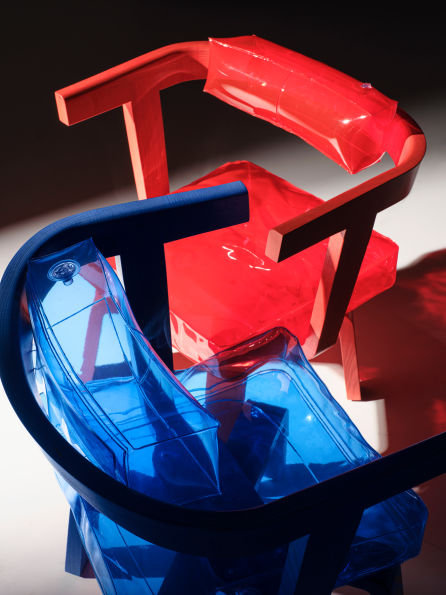
Herzog & de Meuron replaced the leather seat and back of the “Porta Volta” armchair with transparent red and blue inflatable cushions. They were made by a manufacturer of inflatable pool toys. Patricia Urquiola made the “Diamond” table from a cedar that had died in the Molteni family’s garden. Naoto Fukasawa wove the “Cinnamon” armchair from rattan, and Vincent Van Duysen translated the soft “Paul” sofa into reflective bent sheet metal. AMDL Circle turned Michele De Lucchi’s “MDL System” table into a crawling centipede with no function at all.

Gilad also showed a new version of his “Teorema” chest: the drawers float in a chequerboard arrangement without an inner structure. The museum, he says, has gone from a didactic institution to something like a contemporary art gallery.

05

Architecture from bacteria: biocement printed in 3D.

Architecture from bacteria: biocement printed in 3D.

Source: designboom

Architecture from bacteria: biocement printed in 3D

At ETH Zurich, Karen Antorveza Paez treats bacteria as co-authors of architecture. In the process of biocementation (MICP), Sporosarcina pasteurii bacteria break down urea, and the resulting calcium carbonate — the same mineral as in limestone, shells and chalk — crystallises between grains of sand and binds them into a solid.

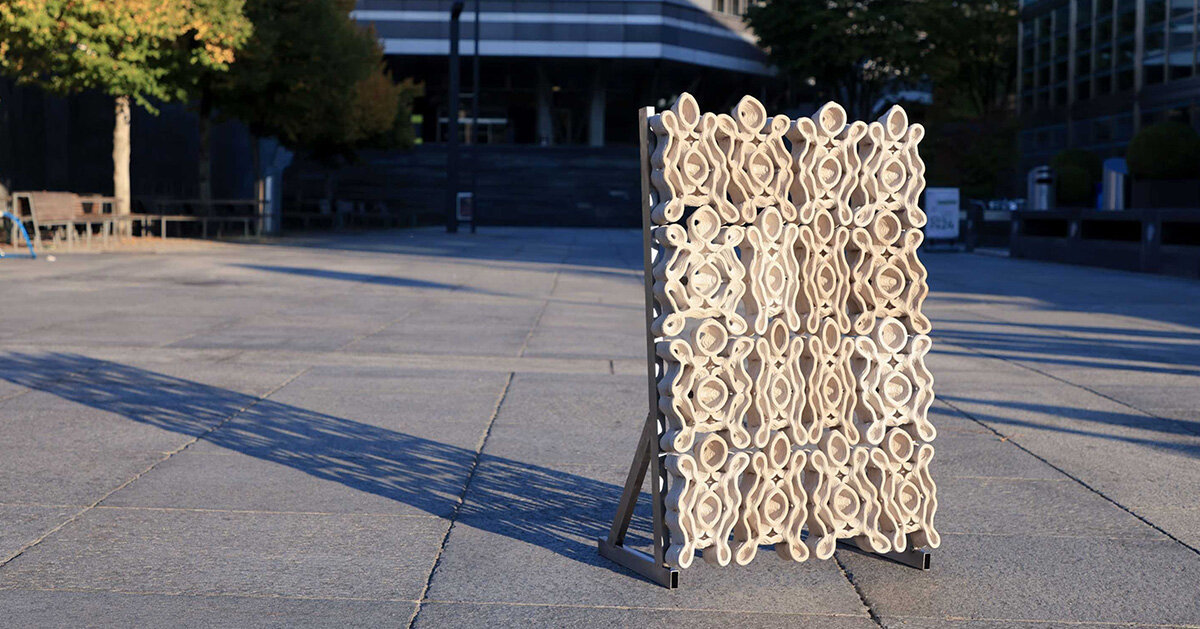
The team developed two methods. The first is 3D printing with a “bio-ink” of sand, live bacteria and a gel of alginate and xanthan. The print is immersed in a mineralising bath for two to five days, at room temperature and without a kiln. The researcher compares this to baking a cake in which microorganisms take on the role of the oven. That is how a lace-like façade element was made, which can serve as a sunshade or a screen. The second method is a robot arm applying layers in the pattern of stromatolites. It worked without a break for six months during the Venice Architecture Biennale in 2025.

The material is for now closer to mortar than to concrete, and a by-product of the reaction, ammonium ions, may harm the environment and needs further research. Visually and conceptually, however, it is a clear signal: architecture is becoming a collaboration with living matter.

06

Wim Wenders films Peter Zumthor in 3D.

Wim Wenders films Peter Zumthor in 3D.

Source: Wallpaper*

Wim Wenders films Peter Zumthor in 3D

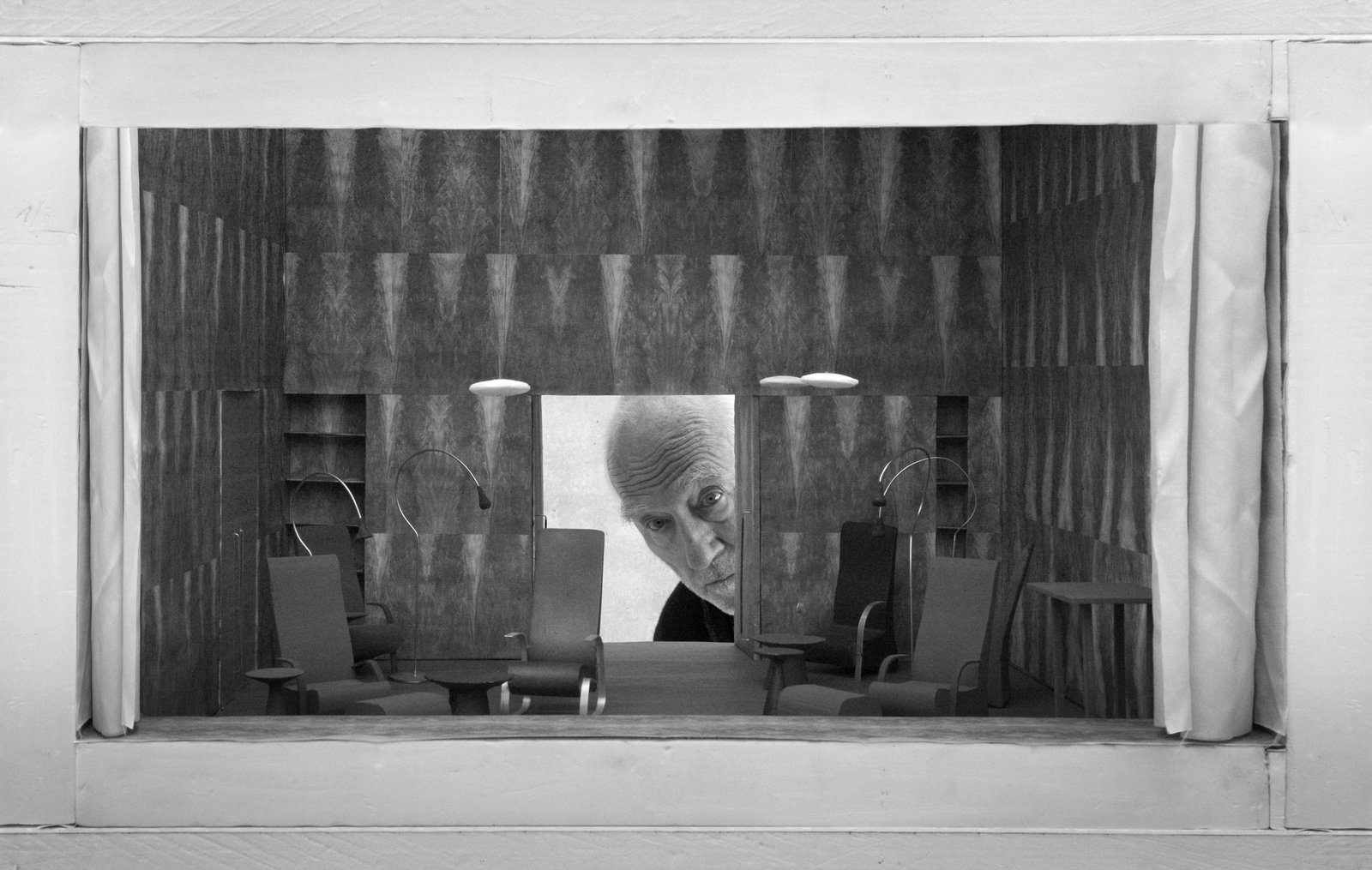
Wim Wenders worked for 14 years on the film “From Inside Out: The Architecture of Peter Zumthor”. It is his tenth film in 3D. It combines archives, sketches and stereoscopic shots to show buildings as living beings. “We measured the light in the morning and in the evening. Some buildings were morning ones, others evening ones,” the director tells Wallpaper*.

Wenders stresses that Zumthor is not an architectural superstar: he has built around 20 buildings and wants to lead each one from start to finish. “Peter is a perfectionist. None of the star architects can afford perfectionism.” The camera visits a secular retreat house in Devon, LACMA in Los Angeles, where Werner Herzog and Ava DuVernay appear, and the Steilneset witches’ memorial in Norway with Siri Hustvedt. The most moving is the wooden house of the architect’s wife, Annalisa, who died before the premiere. Its weight is carried by inner towers, and the outer walls are suspended.

The film ends with the new wing of the Fondation Beyeler in Basel. The European premiere begins on 26 November 2026.